In a world where seamless, personalized communication is no longer optional but essential, how can businesses harness innovative telephony solutions to transform their operations? Grandstream’s advanced devices and cloud management tools offer a compelling answer, enabling organizations to deploy, manage, and customize their networks with unprecedented ease. Imagine a system that not only supports remote teams and multi-location setups but adapts effortlessly to unique workflows, boosting efficiency and reducing costs. Yet, the challenge remains: how to ensure reliable, secure, and high-quality voice communication amidst increasing digital complexity? This exploration reveals how VoIP technology, combined with scalable cloud platforms and resilient network management, can turn ordinary communication into a strategic advantage. From automating device provisioning to safeguarding data, the future of business telephony is about turning flexibility into power—empowering organizations to stay connected, responsive, and ahead in a rapidly evolving landscape.
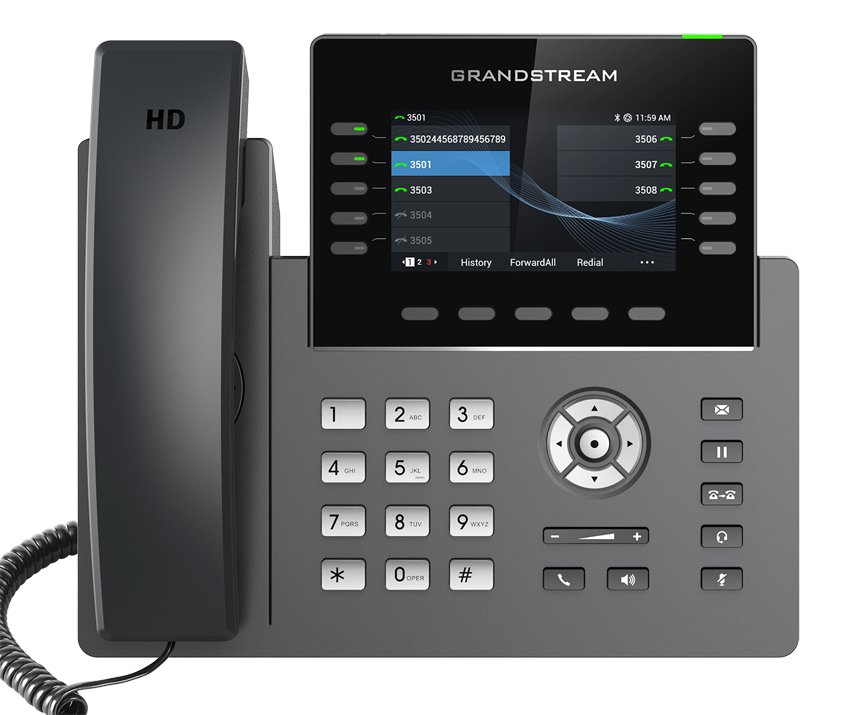
Unlocking the Power of Customizable Telephony for Modern Businesses
In today’s fast-moving business world, staying connected isn’t just a convenience—it’s a necessity. Companies need communication systems that adapt to their unique workflows, support remote teams, and grow alongside their operations. Off-the-shelf phone solutions often fall short, offering one-size-fits-all features that don’t quite match a business’s specific needs. That’s where customizable telephony solutions come in, providing flexible, tailored communication infrastructure that aligns perfectly with how a company functions.
Voice over Internet Protocol (VoIP) has transformed the landscape of business communication. By transmitting voice data over the internet instead of traditional landlines, VoIP enables greater flexibility and significant cost savings. It supports remote work, facilitates multi-location setups, and seamlessly integrates voice with other digital tools, creating a unified, efficient workflow. This technological shift empowers businesses to be more agile and responsive, no matter where their teams are located.
At the core of these advanced systems are features like call routing, voicemail-to-email, presence indicators, and integrations with customer management platforms. These tools make communication smarter and more responsive, allowing teams to access critical information quickly and serve customers more effectively. Rather than relying on static hardware, modern telephony systems are designed to be adaptable—customizable to meet the specific demands of different industries and organizational structures.
The importance of reliable, well-managed networks cannot be overstated. High-quality voice calls depend on a robust internet infrastructure that prioritizes voice traffic through Quality of Service (QoS) settings. Proper network segmentation and sufficient bandwidth ensure clear, uninterrupted conversations even during busy periods. Managing these network parameters effectively guarantees a seamless experience, preventing issues like latency or dropped calls that could disrupt daily operations.
Cloud-managed telephony solutions have simplified deployment and ongoing management. Instead of maintaining extensive on-site hardware, organizations can control their entire communication setup remotely via centralized platforms. Tools like Grandstream’s Device Management System (GDMS) enable IT teams to configure, monitor, and update devices across multiple locations with ease. This approach accelerates deployment, ensures consistency, and makes scaling up or down straightforward, supporting a business’s evolving needs.
What sets these systems apart is their ability to be tailored to specific operational requirements. Whether a retail chain needs phones integrated with customer service software or a call center requires advanced routing and recording features, customizable solutions deliver the right tools for the job. This personalization reduces frustration, boosts productivity, and enhances overall user experience by aligning technology with actual work processes.
Finally, embracing customizable telephony isn’t just about improved communication; it’s about transforming how a business operates. It means building a resilient, scalable, and efficient network that supports growth and adapts quickly to change. With innovative devices like Grandstream’s carrier-grade IP phones, organizations gain reliable, easy-to-manage tools that turn communication infrastructure into a strategic asset. The result is a seamless, flexible system that elevates day-to-day operations and positions the business for long-term success.

Building Blocks of Today’s Business Communication Systems
Modern business communication has evolved significantly from the days when landlines and analog systems reigned supreme. Today, the backbone of many organizations’ communication networks is built on Voice over Internet Protocol, or VoIP. Unlike traditional telephone lines, which rely on physical copper wires, VoIP converts voice signals into digital data packets that are transmitted over the internet. This shift has unlocked remarkable advantages—cost savings, scalability, and flexibility—that transform how companies connect internally and with their customers. Supporting remote work, managing multiple locations, and integrating voice with other digital tools have become easier and more efficient than ever before.
At its core, IP telephony leverages VoIP technology to provide a suite of advanced features that boost productivity and responsiveness. Call forwarding, voicemail-to-email, presence indicators, and seamless integration with customer relationship management (CRM) systems are just a few examples of how modern systems enhance communication. These tools enable teams to access critical information swiftly, collaborate more effectively, and serve customers with greater agility. By merging voice and digital applications, IP telephony creates a unified, adaptable communication environment that meets the demands of today’s fast-paced business landscape.
The evolution of telephony also underscores the importance of a reliable, well-managed network. High-quality voice and video calls depend on a robust internet infrastructure, where Quality of Service (QoS) settings prioritize voice traffic to minimize latency and jitter. Proper network segmentation and sufficient bandwidth are essential to maintaining clear, uninterrupted conversations, especially during peak usage periods. A network that’s optimized for voice ensures a smooth experience, preventing disruptions that can hinder productivity or damage customer relationships. Managing these technical aspects effectively is crucial for any organization seeking to leverage modern telephony’s full potential.
Cloud-managed solutions have become a game-changer in deploying and maintaining these systems. Instead of relying on bulky on-premises hardware, organizations can oversee their entire communication infrastructure remotely through centralized platforms. Tools like Grandstream’s Device Management System (GDMS) allow IT teams to configure, monitor, and update hundreds or thousands of devices from a single interface. This streamlined approach accelerates setup, simplifies scaling, and ensures consistency across multiple locations. As businesses grow or shift their strategies, cloud management makes it possible to adapt quickly without lengthy hardware upgrades or extensive technical support.
Interoperability and adherence to industry standards are fundamental to the widespread adoption of modern telephony. Devices from different vendors, when compliant with common protocols, work seamlessly together—creating a flexible and open ecosystem that empowers organizations to choose hardware that best fits their needs. Grandstream’s range of IP phones and endpoints exemplifies this approach, integrating smoothly with various VoIP platforms to offer both reliability and versatility. Automated provisioning and firmware management further reduce deployment times and keep systems secure and up-to-date, ensuring a consistent experience across all devices. This open architecture not only simplifies management but also protects organizations from vendor lock-in, allowing them to evolve and innovate without constraints.
Security remains a top priority as digital communication becomes more integral to business operations. Modern telephony solutions incorporate robust encryption, secure provisioning, and network segmentation to safeguard conversations and sensitive data. Regular firmware updates and centralized management tools help patch vulnerabilities swiftly, reducing cyber risks. Protecting communication channels is vital for maintaining trust with clients and partners, especially as organizations increasingly rely on cloud-based systems. A secure, well-maintained infrastructure ensures that businesses can focus on their core work, confident that their voice systems are resilient against evolving threats and capable of supporting long-term growth.

Revolutionizing Operations with Innovative Telephony Solutions
Innovative telephony solutions are reshaping how businesses operate by making communication faster, more reliable, and easier to manage. With cloud management capabilities and tools for mass deployment, organizations can streamline setup processes, reduce ongoing maintenance, and cut operational costs significantly. Instead of configuring each device manually, companies can remotely control and update hundreds or even thousands of endpoints through centralized platforms like Grandstream’s GDMS. This not only saves time but also ensures uniformity across multiple locations, making expansion and adaptation quick and straightforward.
These advancements give businesses the agility to respond swiftly to market shifts or growth opportunities. Real-time monitoring tools enable IT teams to identify potential issues before they disrupt daily operations, minimizing downtime and maintaining high levels of customer satisfaction. Automated provisioning features, such as those offered by Grandstream, allow for rapid deployment of new devices or users with just a few clicks, making scaling effortless. This level of flexibility is vital in today’s competitive environment, where speed and efficiency can be the difference between winning and losing.
Personalization of communication environments based on specific workflows is a key benefit of these modern solutions. Sales teams, for example, can benefit from integrated CRM features that enable quick access to customer data, while support centers require advanced call routing and recording capabilities. Customizing devices and settings to fit these needs enhances user experience and boosts productivity. This tailored approach reduces frustration caused by mismatched tools, creating smoother operations and happier staff, ultimately translating into better customer service.
Cloud-based management further enhances operational efficiency by minimizing reliance on physical hardware and on-site IT support. With centralized platforms, updates, security patches, and configuration changes can be pushed remotely across entire fleets of devices. This ensures systems stay current, secure, and compliant with industry standards. Troubleshooting becomes faster and less disruptive, as IT teams can diagnose and resolve issues remotely, maintaining seamless service for both employees and clients. Such remote control capabilities are especially valuable in a distributed or growing business environment.
Automated device provisioning simplifies large-scale deployments, removing the tedious manual setup process. Organizations can prepare device templates with pre-configured settings and deploy them remotely, ensuring uniformity across all endpoints. Batch staging and centralized control enable rapid expansion across multiple locations without overwhelming IT resources. This accelerates growth and helps maintain a consistent brand and user experience, even in complex, multi-site networks.
At the core of these efficiencies lies network optimization. Devices like Grandstream’s IP phones support features such as Quality of Service (QoS), which prioritize voice traffic during busy network periods, preserving call quality. Enhanced security protocols, network segmentation, and regular firmware updates protect against cyber threats and ensure the stability of the entire communication infrastructure. These measures transform a basic system into a resilient backbone that supports day-to-day operations and long-term growth, giving organizations confidence in their communication foundation.
By adopting these innovative solutions, businesses turn their traditional voice systems into strategic assets that support growth, agility, and resilience. They create scalable, secure, and personalized networks that adapt to evolving needs, enabling teams to focus on their core work. Seamless communication becomes a competitive advantage, helping organizations stay connected, responsive, and ahead in an increasingly digital world. This shift not only streamlines daily operations but also positions companies for sustained success in a rapidly changing marketplace.