What truly defines strong leadership? Is it external victories and titles, or the inner discipline that sustains amid chaos? Marcus Aurelius exemplifies this profound truth, balancing the weight of an empire with unwavering philosophical resolve. His life invites us to reconsider whether genuine power originates not from conquest but from mastering oneself—cultivating virtues like patience, humility, and moral clarity. Through his writings in Meditations, he reveals that true strength is an internal force, enabling resilience against external threats, plagues, and political turmoil. Today’s leaders can draw inspiration from his example, recognizing that inner resilience—developed through ongoing reflection and self-control—is the most enduring form of influence. Are we cultivating the internal discipline necessary to face our own battles? Marcus’s legacy challenges us to look beyond superficial achievements and find lasting authority within—a timeless reminder that authentic leadership begins inward.
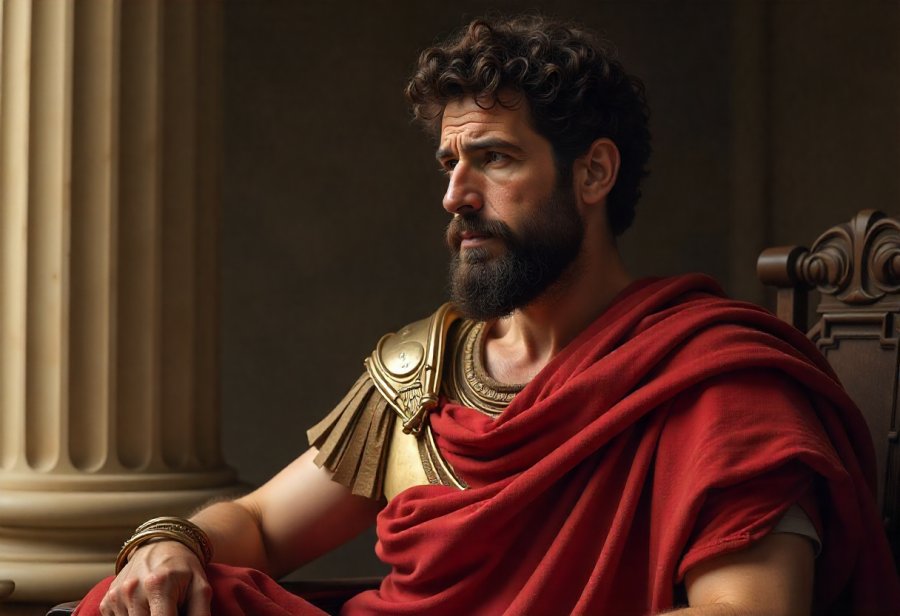
Inner Strength Over External Conquest: Lessons from Marcus Aurelius
What truly makes a leader strong? Is it the ability to conquer new territories, amass wealth, or command armies? Or is there something deeper—an inner strength that endures beyond the fleeting nature of external successes? This question has echoed through history, but few figures exemplify its answer as clearly as Marcus Aurelius. As Roman emperor and a dedicated Stoic philosopher, he faced relentless pressures—from military threats and political intrigue to personal hardship—while striving for moral clarity and self-control. His life invites us to consider whether genuine strength lies not in outward achievements, but in mastering oneself.
Throughout history, leaders have often been judged by what they accomplish publicly—battles won, empires expanded, and wealth accumulated. These accomplishments are easy to admire and celebrate, yet philosophies like Stoicism challenge this view, emphasizing virtues like wisdom, resilience, and self-discipline as the real sources of power. Marcus Aurelius embodied this perspective, balancing the weight of empire with deep philosophical reflection. His story prompts us to ask: is true leadership rooted in inner discipline rather than external conquest?
Marcus’s writings in Meditations reveal a man committed to cultivating inner strength amidst chaos. Despite facing wars, plagues, and political upheaval, he focused on moral integrity and emotional mastery. His reflections show a constant effort to control his thoughts and feelings, suggesting that authentic power comes from within. External victories may bring momentary praise, but inner resilience and clarity provide a lasting authority—an idea that challenges the common notion that leadership depends solely on external markers of success.
This exploration of Marcus Aurelius’s life highlights a timeless truth: real leadership starts inward. Developing mental fortitude and moral integrity enables leaders to navigate adversity with calm purpose. His example suggests that the most enduring influence isn’t found in trophies or titles but in the quiet strength of a disciplined mind and virtuous heart. By focusing on inner mastery, leaders can face external challenges with confidence and grace, leaving behind a legacy rooted in moral authority rather than fleeting achievements.
As we examine his life and philosophy, it becomes clear that the greatest strength often remains hidden within. Marcus’s unwavering commitment to self-control and wisdom demonstrates that the true source of power is internal—a mastery over oneself that sustains and elevates. In a world obsessed with external success, his example reminds us that the most resilient and influential leaders are those who cultivate their inner discipline. Ultimately, real strength begins within.
Stoic Foundations: How Virtue and Self-Control Shape Leadership
Marcus Aurelius’s life was deeply shaped by Stoic philosophy, a school of thought that emphasizes virtue, reason, and self-control as the foundations of a good life. Originating in Greece and flourishing in Rome, Stoicism became a guiding moral compass for many leaders and thinkers. Its core idea is simple yet profound: while external events are beyond our control, our reactions to them are within our power. This focus on inner resilience and moral integrity made Stoicism a natural ally for Marcus during his tumultuous reign.
As both emperor and philosopher, Marcus believed that true strength came from mastering oneself. His writings in Meditations reveal a man committed to cultivating virtues like patience, humility, and clarity. These reflections weren’t just personal musings—they served as practical tools for staying centered amid chaos. For Marcus, the ideal ruler was a philosopher king who governed with wisdom and virtue, not just with power or wealth.
During his rule from 161 to 180 AD, Marcus faced relentless military threats along the empire’s borders, especially from Germanic tribes and the Parthian Empire. Yet, even in the face of external crises, his inner discipline remained steadfast. His leadership was marked not only by military decisions but also by a consistent effort to maintain moral clarity and emotional balance. His ability to stay calm and focused under pressure helped him make sound decisions and inspire confidence among his followers.
Stoicism’s emphasis on virtue and reason provided Marcus with a moral compass that guided every decision. Confronted with difficult choices, he reflected on what was just and right, rather than giving in to anger or despair. This internal moral framework helped him prioritize the well-being of his people and the stability of the empire. His commitment to self-control and moral clarity made him a ruler who led by example, demonstrating that true power resides within.
Today, Stoic principles continue to influence leadership and personal growth. Modern leaders turn to practices like mindfulness, reflection, and emotional regulation—techniques rooted in the same ideas Marcus championed. His example reminds us that the greatest strength lies not in external achievements but in the mastery of our inner lives. In a world of constant change, cultivating inner discipline remains a timeless strategy for effective and authentic leadership.
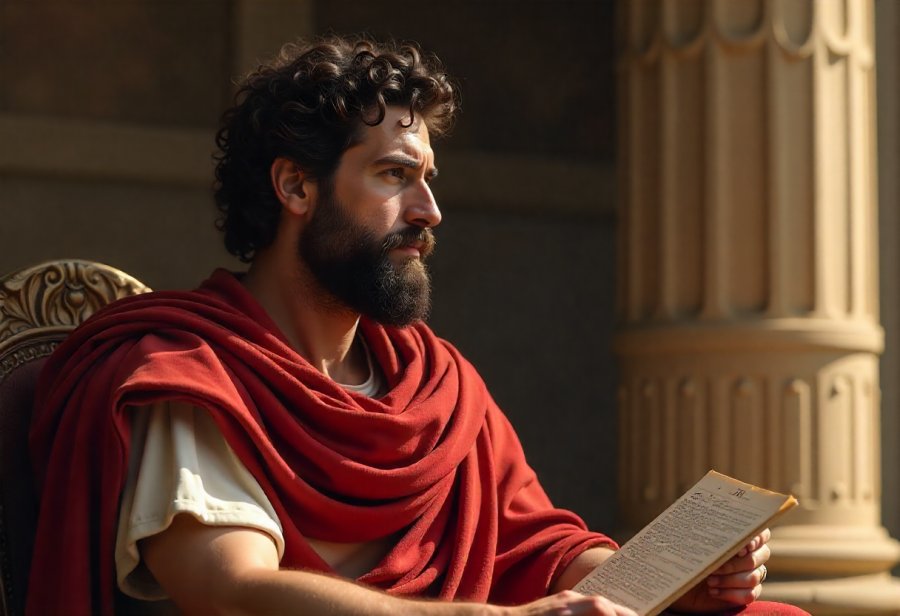
Modern Leadership in a Changing World: The Enduring Relevance of Inner Discipline
Today, the importance of inner discipline remains highly relevant in leadership and personal growth. In a world full of constant change and endless distractions, qualities like emotional intelligence, self-awareness, and resilience are essential for anyone aiming to lead effectively. External skills and achievements can only take you so far; what truly makes a difference is the ability to stay calm, focused, and morally grounded in moments of uncertainty or crisis.
Many successful figures in business, politics, and social activism now emphasize practices that foster inner discipline. Mindfulness, meditation, journaling, and reflection have become common tools for managing emotions and reactions. Leaders who cultivate these habits tend to make more thoughtful decisions, especially when external pressures mount. This inner clarity helps create stability and trust, even when circumstances are unpredictable or challenging.
This shift toward valuing inner resilience echoes ancient wisdom, like that of Marcus Aurelius. His focus on self-control and moral clarity isn’t just historical; it offers a practical blueprint for modern leadership. Leaders who embody inner discipline inspire loyalty and confidence because they seem consistent and authentic amid chaos. Their ability to listen, reflect, and regulate impulses often provides a strategic advantage, fostering a culture rooted in integrity.
External markers of success—such as titles or influence—are superficial compared to the lasting power of inner strength. Outer achievements might bring temporary recognition but can fade quickly. Inner discipline, by contrast, offers a steady foundation that endures through setbacks and moral dilemmas. Leaders who develop this internal resilience can navigate complex situations with confidence and moral clarity, guiding their teams and communities through challenges.
The rise of emotional intelligence as a core leadership skill reinforces this idea. Leaders who understand and manage their emotions well are better equipped to handle conflicts, motivate others, and foster loyalty. Developing internal mastery creates a ripple effect, encouraging those around them to also build resilience and clarity. Practices like mindfulness and reflection have become essential components of effective leadership training, emphasizing that true strength comes from within.
Investing in inner discipline isn’t just about personal virtue; it’s a strategic move. Leaders who nurture their internal resilience tend to be more consistent, ethical, and effective over the long term. Their capacity to stay centered under pressure often shapes their legacy more than any external accolade. Marcus Aurelius’s example reminds us that the greatest leadership strength is rooted in the mastery of oneself—a lesson that remains vital in today’s complex world.
Harnessing Inner Resilience: The Key to Genuine Leadership and Moral Authority
Inner discipline is the foundation of authentic leadership. When leaders maintain composure, clarity, and moral steadiness under pressure, they foster stability and trust that external accomplishments alone can’t achieve. This resilience isn’t about suppressing emotions but understanding and managing them, enabling consistent, principled action even in chaos. Marcus Aurelius exemplified this through his unwavering mental steadiness, demonstrating that true strength arises from cultivating a calm, disciplined mind. Such inner resilience inspires confidence and loyalty, rooted in moral authority rather than superficial success.
Building this mental fortitude requires ongoing practice—self-awareness, reflection, and emotional regulation. Leaders who cultivate these habits make more thoughtful decisions, especially during crises. Marcus’s calmness during turbulent times wasn’t accidental; it was the result of disciplined effort—training his mind to align with his values. This internal strength allows leaders to turn setbacks into opportunities for growth, responding with purpose rather than impulsiveness. When they control their impulses and reactions, they set a powerful example, encouraging others to develop their own resilience and creating a ripple effect that elevates entire organizations.
Leadership rooted in wisdom offers a more sustainable path than one based solely on external conquest. External victories—military wins, influence, or wealth—may bring immediate recognition but often fade with time. Inner discipline provides a stable foundation that endures through setbacks and moral dilemmas. Marcus governed with moral clarity, even amid military crises and political upheaval, prioritizing justice and virtue over personal gain. This internal consistency built lasting trust and respect, proving that genuine influence stems from self-mastery and inner strength, not fleeting external markers.
Self-mastery involves the disciplined regulation of thoughts, emotions, and impulses, especially when external pressures threaten to derail us. Marcus’s daily reflections show how this internal discipline elevated his leadership—by constantly checking motives and actions, he maintained integrity amid chaos. Leaders who develop this inner discipline act with authenticity and consistency, inspiring others to follow suit. When internal mastery is prioritized, it fosters a culture of trust and shared values—lasting qualities that outshine any superficial achievement.
Fostering inner discipline isn’t just about personal virtue; it’s a strategic advantage. Leaders who invest in developing their resilience tend to be more reliable, ethical, and effective over the long term. Their ability to stay centered under pressure often defines their legacy. Marcus Aurelius’s example reminds us that the greatest power resides within—rooted in the discipline of the mind and heart. By cultivating inner strength, leaders can navigate chaos with clarity and moral purpose, turning external challenges into opportunities for genuine influence and lasting impact.
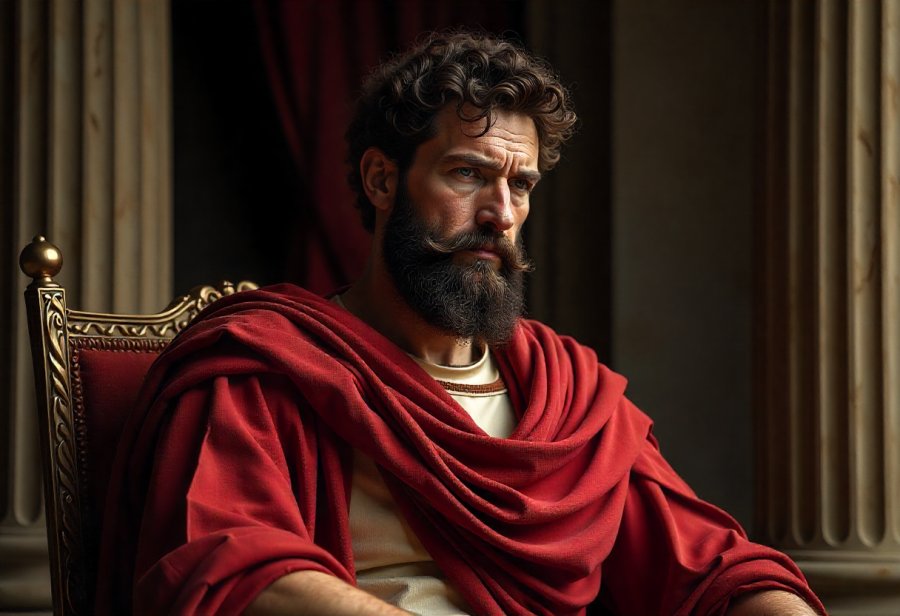
Marcus Aurelius’s Legacy: How Inner Discipline Crafted a Timeless Leadership Model
Marcus Aurelius’s life exemplifies how inner discipline shapes leadership and leaves a lasting legacy. Facing relentless pressures—from external threats to internal crises—he remained steadfast in his commitment to Stoic virtues like humility, self-control, and wisdom. His personal reflections in Meditations reveal a man dedicated to mastering his thoughts and emotions, even amid chaos. These internal practices weren’t mere philosophical exercises; they directly influenced his decisions and actions as emperor, guiding him to lead with moral clarity and resilience.
During the Marcomannic Wars, when invasions threatened Rome’s borders, Marcus’s calmness stood out. Instead of succumbing to panic, he focused on strategic responses rooted in inner discipline. His unwavering mental steadiness reassured his troops and inspired confidence in his leadership. When the Antonine Plague decimated the population, his resolve remained unshaken. He prioritized duty and justice over despair, demonstrating that inner strength can turn even devastating challenges into opportunities for moral authority.
Marcus believed that a leader’s true power came from moral integrity, not external symbols of influence. His writings emphasize self-awareness and acting in accordance with reason, virtues that helped him navigate complex decisions without succumbing to anger or greed. His refusal to be swayed by personal ambition or fleeting praise highlights a leadership rooted in internal discipline. This moral clarity fostered trust and loyalty among his followers, establishing a legacy based on authenticity rather than superficial success.
Throughout his reign, Marcus governed with humility and a sense of service. Whether managing military crises or court politics, he constantly prioritized justice and virtue. His internal discipline allowed him to remain centered amid turbulence, making decisions aligned with his values. This consistency built a reputation for moral authority that outlasted his physical achievements, proving that genuine influence stems from self-mastery and inner resilience.
His example underscores that true leadership is less about external accolades and more about cultivating internal strength. Marcus’s daily reflections reveal a deliberate effort to check motives and maintain integrity, even when external circumstances were dire. His ability to govern with calm and moral purpose demonstrates that inner discipline can transform adversity into a source of lasting influence. His legacy teaches that the most profound power resides within, accessible through ongoing self-control and wisdom.
In essence, Marcus Aurelius’s life affirms that inner discipline is the foundation of authentic leadership. By mastering himself, he set a standard for moral authority and resilience that endures beyond time. His example shows us that true strength is not measured by conquests or titles but by the ability to remain steady, virtuous, and wise in the face of life’s inevitable storms. His life remains a testament to the transformative power of inner resilience and the enduring legacy it can create.