Learning to swim is more than acquiring a skill—it’s a transformative journey that turns fear into confidence and opens doors to safety, joy, and independence at any age. Can overcoming water anxiety be as simple as taking that first courageous step? This inspiring exploration reveals how structured, inclusive programs have evolved from basic survival lessons to comprehensive safety and confidence-building approaches. Whether you’re a nervous adult or a child, every small victory in the water reinforces trust and reduces anxiety, paving the way for lifelong enjoyment. Research underscores that water confidence significantly lowers drowning risks across all ages, emphasizing the importance of persistence and patience. With modern techniques, supportive environments, and a focus on progress rather than perfection, anyone can conquer fears and develop skills that promote safety, health, and social connection. Embark on this empowering journey—because the greatest obstacle isn’t water itself, but the courage to start.
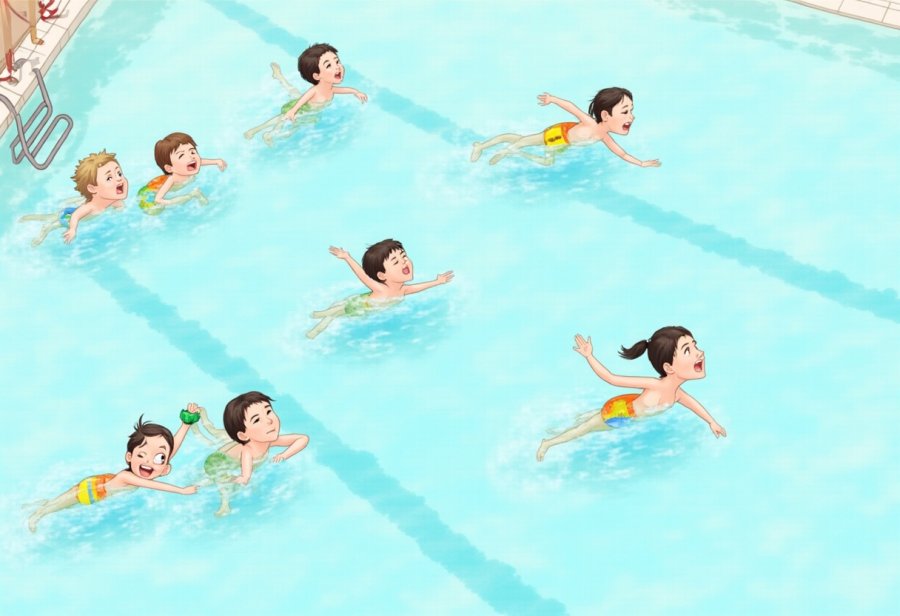
Transform Fear into Freedom: Your Water Confidence Journey Begins
Learning to swim isn’t just about mastering strokes or floating—it’s a powerful step toward building confidence and independence in the water. For many, the idea of stepping into a pool feels intimidating, especially if water anxiety has been part of their life. But taking that first brave step can turn fear into a sense of freedom and control. Whether you’re starting fresh or revisiting swimming after years away, understanding why water skills matter can motivate you to get started.
This journey goes beyond safety, though that’s a big part of it. Becoming comfortable in water means feeling more relaxed around pools, lakes, or the ocean. It’s about breaking personal barriers—fears of drowning, discomfort, or feeling out of control—and replacing them with trust in your abilities. Learning to swim can transform water from a source of anxiety into a place of joy and relaxation, opening up new opportunities for fun and adventure.
The process involves small, manageable steps. Many beginners face fears that seem overwhelming at first—like submerging their faces or floating—yet each small victory builds confidence. Supportive environments, like certified classes and encouraging instructors, make a significant difference. These settings help you progress at your own pace, ensuring safety and comfort along the way.
Progress may be slow at times, but patience pays off. Every time you float a little longer or breathe more easily in water, you’re reinforcing your trust and competence. Celebrating these small wins keeps motivation high, turning water from an intimidating obstacle into a familiar, accessible space. Remember, no one becomes a confident swimmer overnight—each step forward is a step toward greater freedom and enjoyment.
Practicing outside of formal lessons can further reinforce your skills. Watching instructional videos, practicing simple exercises in a safe environment, or practicing with trusted friends can help you feel more at ease. These small, consistent efforts cultivate positive associations with water, making each encounter more natural and less daunting.
This journey is about more than just learning to swim; it’s about transforming fears into confidence, hesitation into enjoyment. The first step is often the hardest, but it’s also the most crucial. With patience, support, and a focus on progress, you’ll find yourself feeling increasingly comfortable and eager to explore what water has to offer. Every effort you make brings you closer to a lifelong relationship with water that’s safe, joyful, and empowering.
Tracing the Roots: How Swimming Education Has Evolved for Safety and Confidence
Swimming education has come a long way from its early days, when learning mostly meant informal lessons passed within families or local communities. Back then, the main goal was survival—getting comfortable enough in water to stay safe in emergencies. As water-related accidents increased, authorities recognized the need for more structured approaches, leading to the development of formal programs with certified instructors and standardized techniques. These efforts aimed to ensure that learners could progress safely, gaining confidence beyond basic survival skills.
Throughout the 20th century, these structured programs expanded significantly. Schools, community pools, and organizations began to play a bigger role in teaching essential water skills. The focus shifted from simply staying afloat to mastering fundamental techniques like floating, breathing, and basic strokes. These skills not only help build trust in water but also lay the groundwork for more advanced techniques later on. Safety standards improved alongside these developments, with evidence-based methods designed to support gradual skill-building without overwhelming beginners.
The core components of learning to swim have remained consistent over time. Beginners typically start by becoming comfortable in water—learning to float, submerge, and breathe calmly. Once at ease, they move on to fundamental movements such as kicking and arm strokes. As confidence builds, swimmers practice coordination and safety skills like treading water and proper entry and exit techniques. Each step is carefully layered to foster trust, reduce anxiety, and promote steady progress, making the learning process both effective and enjoyable.
Today, standards for teaching swimming continue to evolve, emphasizing safety, patience, and personalized instruction. Certified instructors follow best practices that cater to individual needs, ensuring that progress is steady and frustration is minimized. Safety protocols, such as swimming with supervision and within designated areas, are now integral to lessons, safeguarding learners at every stage. Technology and innovative teaching tools, like visual aids and adaptive programs, have further increased accessibility, allowing more people to learn water skills regardless of background or ability.
Modern water education is increasingly inclusive and adaptable. Programs for children, adults, and those with disabilities reflect a shift toward recognizing water confidence as a lifelong pursuit. This evolution has contributed to reducing drowning rates and promoting a safety-conscious culture. From the early days of informal lessons to today’s comprehensive, safety-focused training, the history of swimming education demonstrates a clear trajectory toward empowering everyone to enjoy water confidently and responsibly.
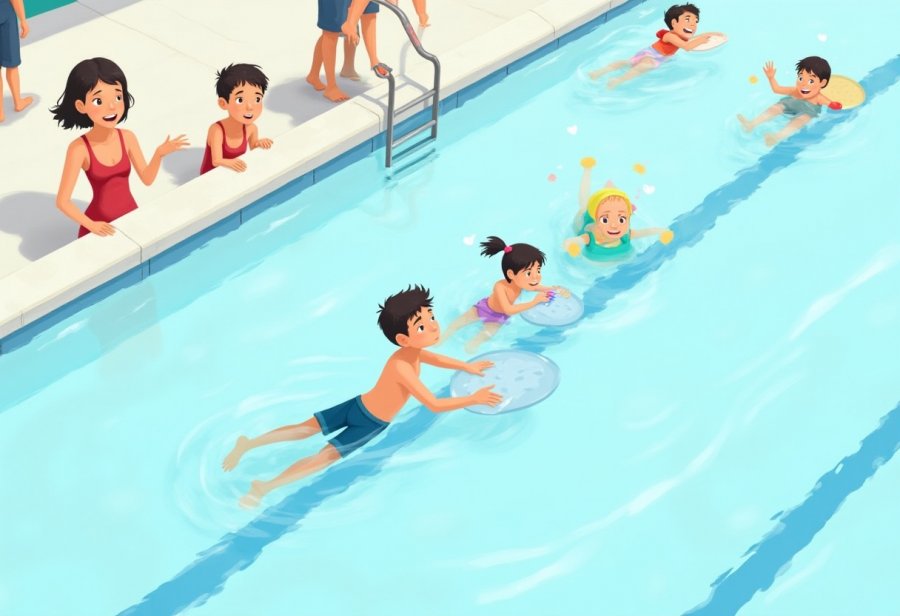
Embracing a New Wave: Modern Attitudes and Opportunities for All Ages in Swimming
Today, attitudes toward learning to swim are more inclusive and positive than ever before. More adults and older individuals see swimming as an essential life skill—not just for recreation but for safety, health, and social connection. This shift has led to a rise in beginner classes tailored specifically for adults, along with programs designed for people with disabilities, making water confidence accessible to a broader audience. The idea that it’s never too late to learn has gained momentum, inspiring many to face their fears and start their journey with confidence.
Research increasingly supports the benefits of learning to swim at any age. Gaining water confidence can significantly reduce anxiety and boost self-esteem, encouraging safer water habits and fostering a more positive relationship with water. Adults who overcome fears or begin swimming later in life often report improved mental well-being and a sense of accomplishment. These findings underscore the importance of creating supportive, trust-building environments where learners can progress at their own pace without feeling judged or overwhelmed.
Media plays a powerful role in shaping perceptions around water confidence. Stories of personal transformation—people conquering childhood fears or learning to swim as adults—resonate widely. Videos and social media posts celebrate these successes, emphasizing that progress isn’t limited by age or background but driven by perseverance and resilience. Such narratives motivate others to embark on their own water journey, reinforcing the idea that it’s never too late to start and that every step forward is a victory.
Innovative teaching methods and inclusive programs are transforming how water skills are taught today. Adaptive lessons, visual aids, and personalized support help remove barriers for learners with disabilities or special needs. These approaches foster trust and comfort, making water confidence a realistic goal for everyone. As a result, more communities are embracing water safety education, which not only reduces drowning risks but also promotes a lifelong love of water activities.
This evolving perspective emphasizes that learning to swim is a lifelong pursuit. Public health initiatives and educational programs now integrate water safety into school curricula and community activities, highlighting its importance beyond childhood. The focus is on fostering a mindset of continuous learning—encouraging people of all ages to develop their skills, stay safe, and enjoy the many benefits water can offer. With ongoing innovations and a commitment to inclusivity, water confidence is becoming a universal goal that continues to grow in significance and reach.
Taking the Plunge: Practical Steps to Build Water Confidence from Scratch
Starting your water confidence journey might seem intimidating at first, but breaking it down into simple, manageable steps can make a big difference. Begin by seeking out beginner-friendly classes led by certified instructors who know how to support newcomers. These classes provide a safe, encouraging environment where you can progress at your own pace, building trust without feeling overwhelmed. Familiarize yourself with basic safety rules, like never swimming alone, entering and exiting the pool carefully, and respecting your limits—these form a strong foundation for confidence.
Once you’re in a supportive setting, focus on easy exercises that help you feel more comfortable. Holding onto the pool edge, blowing bubbles, and floating on your back are perfect starting points. These activities teach your body to relax and help you get accustomed to water. Celebrate small wins—whether it’s staying calm in the water or floating for a few seconds—because each success boosts your confidence and reduces anxiety. Using tools like kickboards or floaties can make initial experiences less intimidating and more fun.
Patience is key. Progress in swimming happens gradually, so avoid rushing through techniques. Practice consistently, but give yourself time to absorb each new skill. If nerves kick in, take breaks and revisit familiar exercises until you feel more at ease. Remember, building water confidence isn’t about perfection; it’s about creating positive associations with water that reinforce your trust in yourself. Every small step forward makes water feel safer and more familiar.
Practicing outside of formal lessons can further solidify your skills. If possible, practice with a trusted friend or family member who offers encouragement and support. Watching instructional videos or reading beginner guides can also reinforce techniques between lessons. These simple routines help familiarize you with water skills in a relaxed environment, making each encounter more natural and less daunting.
Maintain a positive mindset throughout. Recognize every achievement, no matter how small, and remind yourself that overcoming fears takes time. Many people have progressed from feeling anxious to swimming confidently simply by staying persistent and practicing regularly. Trust that each effort counts, and with patience, you’ll find yourself moving more comfortably in water and enjoying it more than ever.
Remember, every successful step builds your confidence and brings you closer to feeling at home in the water. The goal isn’t perfection but progress—learning to enjoy water safely and confidently. With patience, support, and a focus on small victories, you’ll soon discover how empowering it is to conquer your fears and embrace the water’s many benefits. Every effort you put in today sets the stage for a lifelong, enjoyable relationship with water.
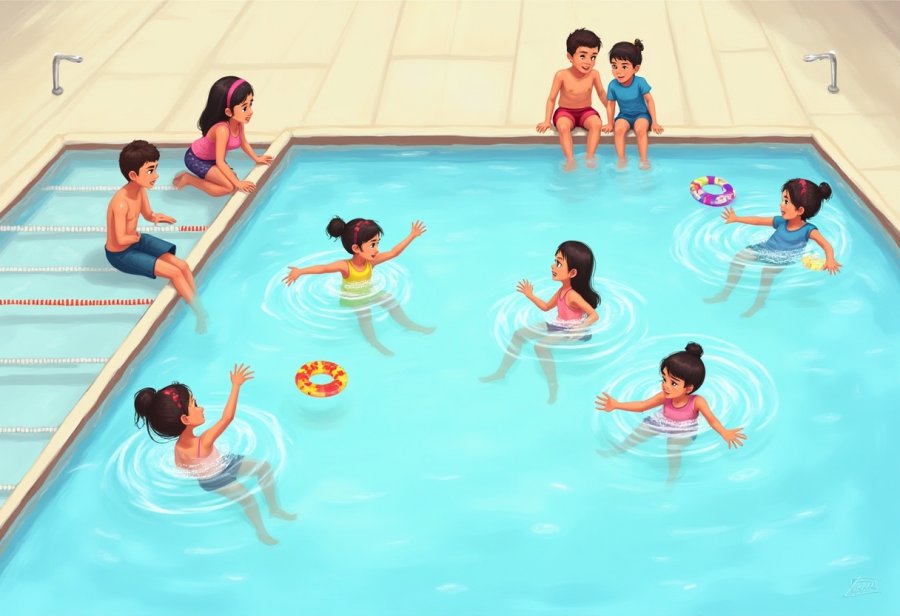
Empowerment in Every Stroke: Continuing Your Water Journey with Confidence and Safety
Learning to swim can truly change how you see water, turning fear into confidence and creating a sense of safety that lasts a lifetime. The key message is that it’s never too late or too early to start, and every small step you take builds a stronger foundation for comfort and skill. Progress might seem slow at times, but each time you float a little longer or breathe more easily in water, you’re moving closer to feeling truly at home in the water. Celebrating these small victories helps reinforce your confidence and keeps you motivated to continue.
Beyond safety, the benefits of learning to swim extend into your mental and physical well-being. Swimming boosts mood, improves fitness, and opens up new opportunities for social connection and fun. Water can be calming and restorative, and gaining confidence in it can help reduce daily stress and anxiety. Whether you swim for recreation, health, or safety, knowing you can handle water safely offers a sense of empowerment that encourages a lifelong relationship with water.
Staying safe remains a vital part of your ongoing journey. Even as your skills grow, maintaining good habits—such as swimming in designated areas, never swimming alone, and respecting your limits—ensures every experience remains positive. Developing these routines helps keep you protected and instills a safety-first mindset that becomes second nature. It’s about making safety a seamless part of your water adventures, allowing you to enjoy water with confidence and peace of mind.
As you progress, consider exploring more advanced skills or certifications that deepen your safety and enjoyment. Improving your stroke techniques, practicing efficient breathing, or learning rescue skills can elevate your confidence and open new avenues for water activities. Joining local clubs or community groups not only keeps you motivated but also connects you with others who share your water goals. Each new skill or experience adds to your confidence and enhances your overall relationship with water.
Remember, persistence is the secret to lasting progress. Patience, consistent effort, and a positive attitude help you overcome setbacks and turn challenges into stepping stones. The more you practice, the more natural it becomes to be in and around water. Over time, these efforts build a foundation of trust and enjoyment, making water a space where safety and fun go hand in hand. Your journey may be ongoing, but every step forward is a victory worth celebrating.
As you continue to develop your water skills, sharing your experiences and encouraging others can create a ripple effect that promotes safety and confidence in your community. Teaching friends or family what you’ve learned not only reinforces your own skills but also helps foster a culture of water safety. Every person who gains confidence in water contributes to a safer, more connected world where water is a source of joy and security.
Keep exploring, practicing, and embracing the water. Every small effort contributes to a lifelong relationship built on confidence, safety, and enjoyment. The journey may have its ups and downs, but the rewards—freedom, resilience, and fun—are well worth every drop. Stay motivated, stay safe, and remember that the most important step is simply starting. The water is waiting, and your best swimming days are ahead.