Step back into the roaring heart of the 1970s muscle car era with the Chevrolet SS, a symbol of American power, rebellion, and bold style. From its aggressive design with racing stripes and vibrant hues to the thunderous growl of its massive V8 engine, this vehicle embodies a nostalgic quest for speed and attitude. But what truly fueled its legend was more than horsepower—it was a cultural icon that embodied independence and daring. As the Chevelle SS 454 roared through streets and screens, it inspired generations, inspiring car clubs and restoring its legacy at shows and rallies. Can modern performance cars capture its rebellious spirit? The enduring impact and emotional connection to these vintage machines reveal that the Chevrolet SS is more than just a vehicle—it’s a timeless symbol of American ingenuity and freedom, still echoing through today’s automotive landscape.
The Iconic 1970s Chevrolet SS: A Bold Symbol of Muscle Car Power
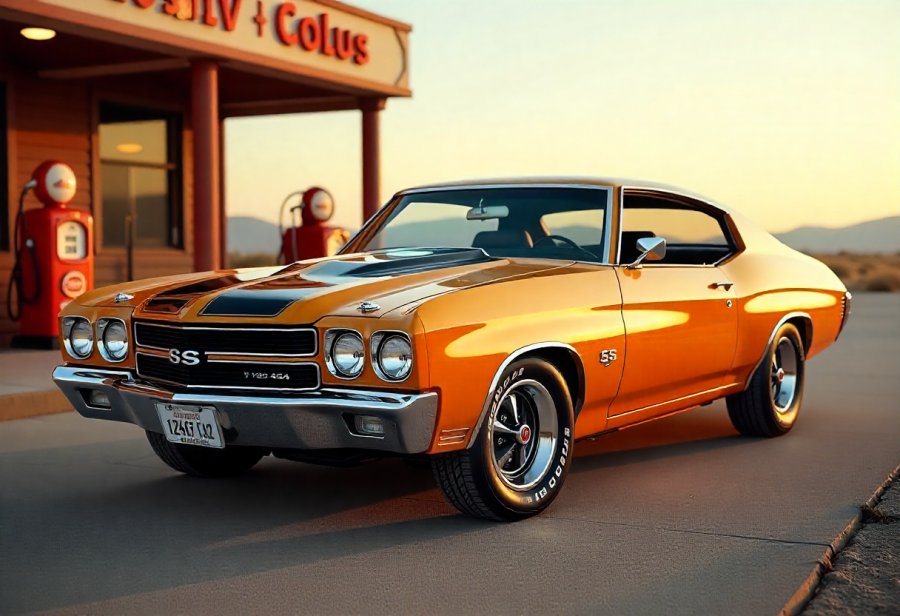
The 1970s Chevrolet SS stands as more than just a classic car; it’s a vivid symbol of an era marked by boldness, power, and style. During this decade, muscle cars captured the American imagination, blending raw performance with eye-catching design that turned heads wherever they appeared. The Chevrolet SS, especially the Chevelle SS 454, emerged as a standout icon, embodying everything enthusiasts love about muscle cars—aggressive looks, thunderous engines, and a rebellious spirit that refused to go unnoticed.
This period was driven by a desire for speed and individuality. The Chevelle SS 454, with its massive V8 engine, set a benchmark for high-performance vehicles, commanding attention on the street and at car shows. Its commanding presence was complemented by a deep, growling engine sound that became synonymous with muscle car culture—an unmistakable roar that announced power before the car even moved.
The design of the Chevrolet SS reflected its performance pedigree. Muscular lines, a wide stance, and period-specific details like racing stripes and vibrant colors such as Hugger Orange or bright red gave it an unmistakably bold character. Every element, from the cowl-induction hood to chrome accents, was crafted to project strength and attitude, making it a true visual statement of American muscle.
More than just aesthetics, the Chevrolet SS was built for performance. Under the hood, the Chevelle SS 454 packed up to 450 horsepower and 500 pound-feet of torque, delivering exhilarating speed and acceleration. The engine’s thunderous growl became a rallying cry for freedom and rebellion, echoing the car’s place in American cultural identity. It’s a sound that still stirs nostalgia among enthusiasts today.
Beyond its mechanical prowess, the Chevrolet SS became a cultural icon. It appeared in movies, music, and street racing scenes, symbolizing toughness, independence, and the pursuit of adrenaline. Car clubs and racing communities rallied around it, celebrating its legacy and sharing stories of its dominance on the streets.
Restored models continue to capture imaginations at car shows and auctions, serving as tangible links to a golden age when American muscle cars ruled the roads. The Chevrolet SS’s significance extends beyond nostalgia; it’s a testament to an era when big engines, bold styling, and a rebellious attitude defined American automotive culture.
Today, the legacy of the 1970s Chevrolet SS endures, inspiring new generations of car lovers. It remains a powerful reminder of a time when cars were more than transportation—they were expressions of attitude and freedom, symbols of American ingenuity that still roar with relevance.
Muscle Car Roots: Origins, Evolution, and Cultural Significance of an American Phenomenon
The muscle car era in America began in the mid-1960s, driven by a desire for speed, bold styling, and a spirit of rebellion. Automakers like Chevrolet, Ford, Pontiac, and Dodge responded by creating vehicles that prioritized performance and attitude over practicality. These cars were more than transportation—they were symbols of freedom, individuality, and daring. Their powerful big-block engines and aggressive designs captured the imagination of a generation eager to break free from convention and embrace adrenaline-fueled driving.
Design and engineering advancements during this period pushed boundaries, with muscle cars boasting impressive horsepower at a relatively accessible price point. Models like the Chevrolet Chevelle SS 454, Pontiac GTO, and Dodge Charger gained fame through movies, music, and street racing, becoming icons that embodied American ingenuity and raw performance. Their thunderous engine sounds and muscular, aerodynamic looks made them standouts on the road, turning heads and inspiring loyalty among enthusiasts.
As muscle cars gained popularity, they also became cultural symbols of rebellion and independence. Driving one meant embracing a daring attitude, standing out from the crowd, and chasing thrills. Car clubs and racing communities flourished, forming around these vehicles and fostering a sense of camaraderie rooted in a shared love for speed and style. These cars represented more than just horsepower—they symbolized a lifestyle of freedom, adventure, and pushing limits.
However, by the late 1960s and early 1970s, rising insurance costs, stricter emissions regulations, and increasing fuel prices began to challenge the muscle car’s dominance. Despite these obstacles, the legacy of the era remained strong. The muscle car movement had established a lasting cultural footprint, influencing automotive design and popular culture for decades. It laid the groundwork for future performance vehicles and continued to inspire car enthusiasts long after the golden age had passed.
Today, the roots of the muscle car era are evident in modern performance cars, which draw on the bold styling and powerful spirit of the original models. The cultural significance of these vintage vehicles endures, symbolizing a time when American engineering celebrated strength, rebellion, and unrelenting speed. Their history is a testament to innovation and attitude—an enduring legacy that continues to captivate new generations of drivers and collectors alike.
The Chevrolet SS’s Cultural Impact: Defining American Muscle and Inspiring Car Culture
The Chevrolet SS of the 1970s did more than just turn heads with its muscular lines and thunderous engine; it became a powerful symbol of American muscle car culture. During this era, cars like the Chevelle SS 454 represented more than raw horsepower—they embodied rebellion, independence, and a daring spirit that defined a generation. These vehicles weren’t just modes of transportation; they were expressions of personality, projecting strength and attitude wherever they roared.
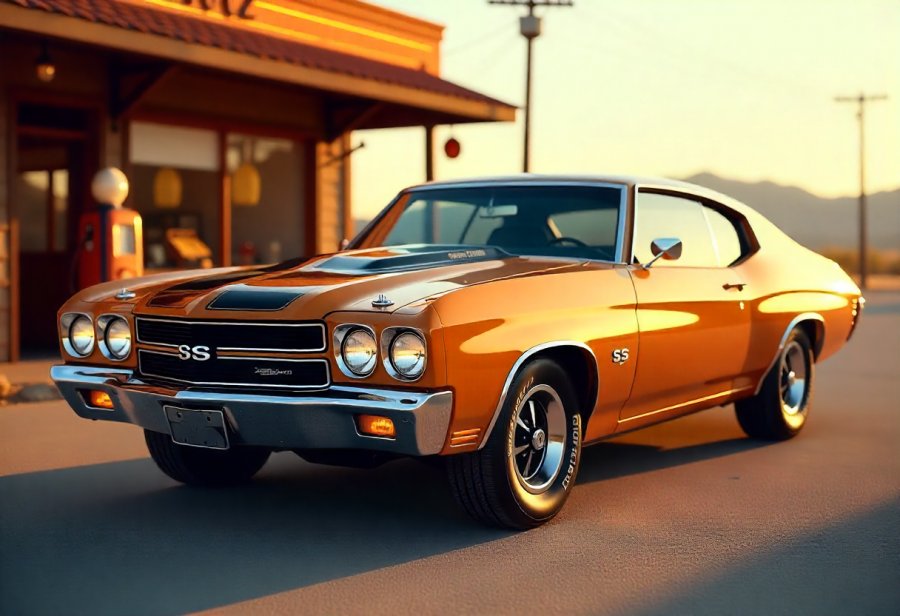
The bold design of the Chevrolet SS—muscular contours, wide stance, and aggressive detailing—became a visual shorthand for American muscle. Features like racing stripes, vibrant colors such as Hugger Orange and bright red, and period-specific accents made the car instantly recognizable. Every element was crafted to convey power and rebellion, transforming it into a moving symbol of strength that resonated far beyond the showroom.
Listening to the deep, growling engine of the Chevelle SS 454, it’s easy to understand why it’s become legendary. That unmistakable roar signified not just performance, but a statement of freedom and defiance. The engine’s sound was more than noise; it was a visceral call to action, a rallying cry for those who wanted to break free from convention and embrace adrenaline-fueled driving. For enthusiasts, it’s a nostalgic reminder of an era when cars were as much about attitude as they were about speed.
The cultural impact of the Chevrolet SS extended into movies, music, and street racing scenes, where it became a symbol of toughness and independence. Its presence in popular media reinforced its status as an icon, fueling aspirations and inspiring a sense of rebellion. Car clubs and racing communities rallied around these models, celebrating their legacy and sharing stories of their dominance on the streets. The SS wasn’t just a car; it was a badge of pride and a cultural artifact.
Restored models continue to captivate audiences at car shows and auctions, serving as tangible links to a golden age when American muscle cars ruled the roads. They evoke memories of youthful days filled with adventure and daring. Beyond nostalgia, the Chevrolet SS’s influence persists, inspiring modern performance vehicles that aim to capture its bold spirit and visual appeal.
The legacy of the Chevrolet SS endures because it captures the essence of American muscle—powerful, rebellious, and unmistakably bold. It embodies a time when cars were more than transportation—they were statements of personality and freedom. This cultural symbolism continues to inspire enthusiasts, designers, and car lovers, ensuring that the roar of the past remains a vital part of automotive identity.
In the end, the Chevrolet SS stands as a testament to American ingenuity and the enduring allure of muscle cars. Its influence reaches far beyond its era, shaping how performance and attitude are expressed in today’s automotive world. As new generations discover its story, the spirit of rebellion and power that defined the muscle car age continues to resonate, making the Chevrolet SS a true icon of American muscle culture.
Design, Power, and Presence: The Iconic Features of the 1970s Chevrolet SS
The core appeal of the 1970s Chevrolet SS lies in its embodiment of muscle car nostalgia and the legendary status of American horsepower. Its bold, vintage style captures the spirit of an era when cars were designed to command attention and make a statement. Muscular contours, a low-slung stance, and distinctive badging all contribute to its iconic look, reflecting the raw power and rebellious attitude that defined the golden age of muscle cars. Every line and detail speaks to performance and attitude, making it a true visual showcase of American engineering prowess.
Design-wise, the Chevy SS features a broad, aggressive profile with sharp, muscular lines that emphasize strength and speed. Elements like the cowl-induction hood hint at the high-performance engine lurking beneath, while vibrant colors such as Hugger Orange, fiery red, or sleek black highlight its bold personality. Period-correct details like racing stripes and chrome accents enhance its vintage appeal, giving it a commanding presence that turns heads wherever it appears. This combination of style and substance cements its place as a symbol of muscle car excellence.
At the heart of its allure is the Chevelle SS 454’s legendary powertrain. Under the hood lies a massive 454 cubic-inch V8 engine, capable of producing up to 450 horsepower and 500 pound-feet of torque. This engine wasn’t just about numbers; it delivered a thunderous growl that became the soundtrack of the muscle car era. The deep, unrelenting exhaust note signaled serious performance and attitude, making every drive an auditory experience that stirred excitement and admiration.
Every element of the Chevrolet SS’s design and engineering echoes its role in the golden age of muscle cars. Its blend of eye-catching aesthetics and formidable performance created a vehicle that was as much about attitude as it was about raw speed. The wide stance, sleek profile, and aggressive accents worked together to forge a cultural icon, inspiring awe and admiration among enthusiasts and collectors alike.
The roar of the classic muscle car engine remains one of its most defining features. When fired up, the Chevelle SS 454 produces a thunderous sound that commands respect and signals its serious intent. This distinctive growl isn’t just noise—it’s a visceral expression of power and rebellion, a sonic symbol that continues to resonate with fans across generations. It’s a reminder that these cars weren’t just machines—they were living, breathing icons of American muscle.
This combination of vintage style, legendary power, and cultural significance makes the Chevrolet SS a true icon. It represents an era when cars were more than transportation—they embodied personality, attitude, and the pursuit of freedom. Its influence extends beyond nostalgia, inspiring modern performance vehicles and maintaining its legacy as a symbol of American muscle dominance. The Chevrolet SS’s story is a testament to bold design, engineering excellence, and unyielding performance that still captures imaginations today.
Legacy and Nostalgia: The Enduring Influence of the Chevrolet SS on Modern Car Culture
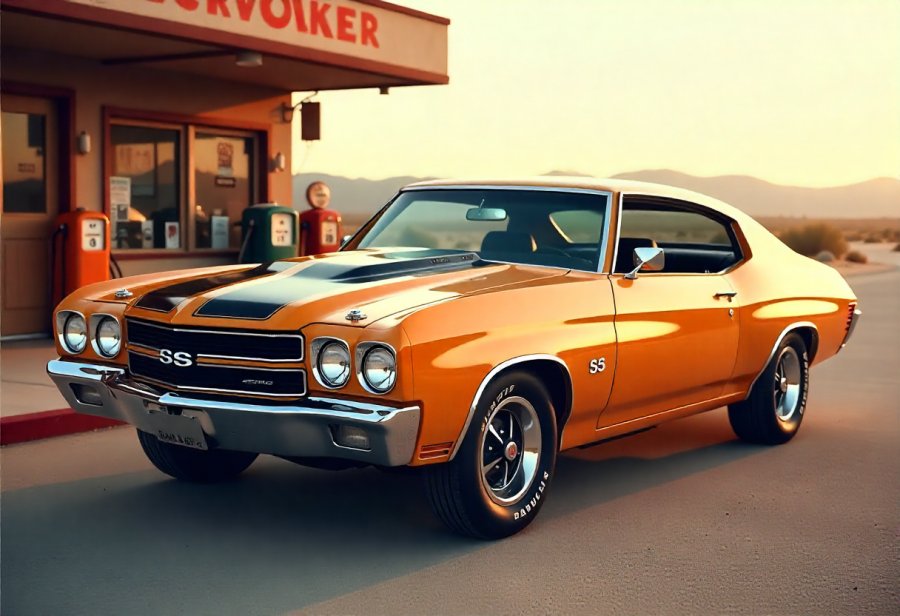
The Chevrolet SS of the 1970s continues to hold a special place in modern car culture, serving as a powerful symbol of America’s golden age of muscle cars. For enthusiasts and collectors alike, these vehicles are more than just vintage rides—they’re tangible links to a time when raw power and bold design defined the streets. Restoring and maintaining these cars has become a passionate pursuit, with owners investing time and resources to preserve their legacy. This ongoing effort keeps the spirit of the era alive and introduces new generations to the excitement and artistry of classic muscle cars.
The distinctive roar of the big-block engine still stirs excitement among today’s car lovers. That iconic growl, echoing from the past, symbolizes more than horsepower—it embodies freedom, rebellion, and the pursuit of adrenaline. Car shows and vintage rallies often feature meticulously restored Chevelles, drawing crowds eager to experience the thrill of a bygone era. These gatherings foster a sense of community built around shared admiration, where stories are exchanged, and the nostalgia for the muscle car golden age is palpable.
Nostalgia plays a significant role in keeping the legacy of the Chevrolet SS vibrant. For many, these cars evoke memories of youthful days filled with daring adventures and a desire to stand out. Their muscular lines, vibrant colors, and period-specific details spark a wave of emotion and connection to a time when cars were expressions of personality and attitude. This emotional link drives their popularity and influences modern design, as automakers seek to incorporate the bold spirit of the muscle car into contemporary performance models.
Beyond individual passion, the Chevrolet SS’s cultural impact extends into media and popular culture. Its appearances in movies, music, and street scenes have cemented its status as a symbol of toughness and independence. Car clubs and racing communities rally around these classics, celebrating their history and inspiring new projects that pay homage to their legendary performance. This enduring influence continues to shape how cars are designed and appreciated, blending nostalgia with innovation.
Today, the legacy of the Chevrolet SS persists as a testament to American ingenuity and the timeless appeal of muscle cars. Its roar still resonates in the performance vehicles of today, reminding us that true power lies not just in numbers, but in attitude and presence. As new generations discover these classics, the spirit of rebellion and speed remains alive, fueling the ongoing passion for American muscle and ensuring that its roar continues to inspire for years to come.