Navigating car repairs can feel overwhelming—should you DIY, call a mobile mechanic, or head straight to a professional garage? Each option has its strengths and limitations, depending on the complexity and safety of the repair. Simple tasks like oil changes or brake pad replacements can be satisfying and cost-effective for skilled enthusiasts, but missteps can lead to costly mistakes or safety hazards. Mobile mechanics offer convenience and affordability for routine fixes without the need for towing or waiting, yet they can’t handle heavy-duty or intricate repairs. For complex issues like engine rebuilds or electronic diagnostics, a fully equipped garage with expert technicians is essential, ensuring safety, precision, and warranties. The key lies in assessing the job’s difficulty, your skill level, and safety considerations—knowing when to DIY and when to trust the pros can save you money, time, and peace of mind while keeping your vehicle reliable and safe on the road.
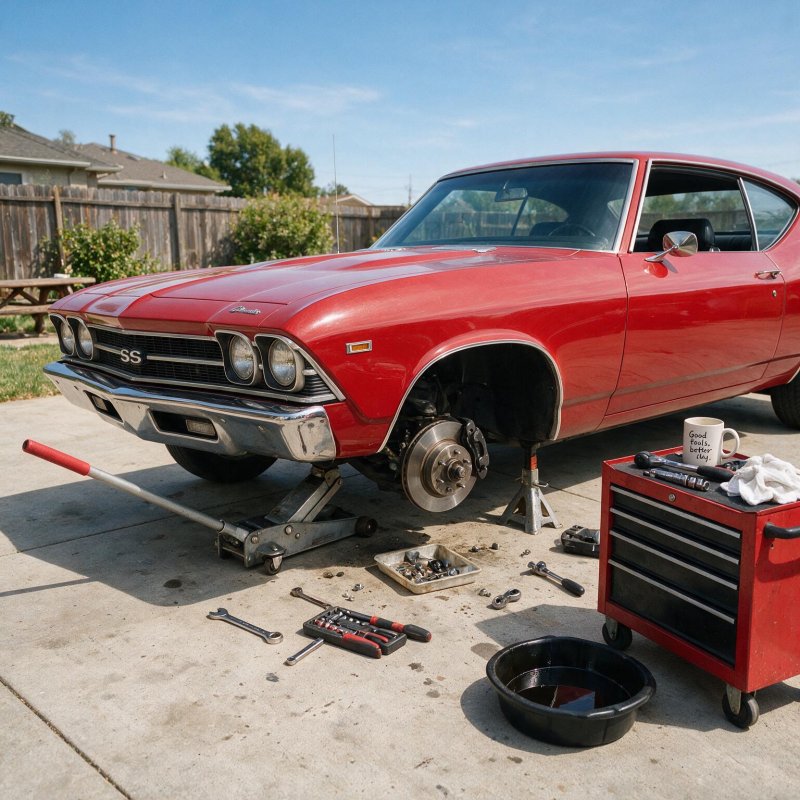
Navigate Your Car Repair Options: DIY, Mobile Mechanics, or Professional Garages
When your car isn’t running quite right, figuring out how to fix it can feel overwhelming. You have three main options: tackling repairs yourself, hiring a mobile mechanic, or heading to a traditional garage. Each approach suits different situations, depending on the repair’s complexity, your budget, and how much time you want to spend.
Starting with DIY repairs, many car owners find that simple tasks like changing oil, swapping out filters, or replacing brake pads are manageable and cost-effective. If you have a basic toolkit and a bit of patience, you can save money on labor fees and gain a better understanding of your vehicle. Plus, you can work on your schedule without waiting for appointments or towing services.
However, DIY isn’t always the best choice for more complex problems. Mistakes made without proper knowledge or tools can lead to bigger, more expensive issues down the line—or even safety hazards. Modern cars involve electronic systems and tightly packed components that require specialized equipment and skills. Knowing your limits is key; attempting advanced repairs without the right expertise can be risky.
That’s where mobile mechanics come in. They bring their tools and parts directly to your location, offering a convenient middle ground. For routine repairs like brake replacements, battery swaps, or diagnostics, they’re often faster and cheaper than a traditional shop. Watching the mechanic work and asking questions can also turn into a learning experience, giving you a clearer picture of your car’s needs.
Yet, mobile mechanics have their limits. Without access to lifts, heavy-duty tools, or specialized diagnostic equipment, they’re best suited for straightforward repairs. Complex engine work or transmission repairs usually require a fully equipped garage, where technicians can disassemble and access parts safely and accurately.
For more involved or safety-critical issues—like engine rebuilds, transmission work, or electronic diagnostics—a professional garage is typically the safest choice. These facilities have the heavy machinery, advanced tools, and trained technicians needed to perform precise repairs. Their work often comes with warranties, providing peace of mind that the job is done right.
Choosing the best option depends on the repair’s complexity, your skill level, and how quickly you need it done. Simple maintenance or minor fixes are perfect for DIY, especially if you’re comfortable with basic tools. Routine repairs that don’t require heavy equipment can often be handled by a mobile mechanic, offering convenience and savings. But for anything more involved or safety-related, a professional garage ensures your vehicle remains safe and reliable for the road ahead.
Mastering DIY Car Repairs: Pros, Cons, and Key Considerations
Doing your own car repairs can be a rewarding way to save money and gain a better understanding of how your vehicle works. Tasks like changing oil, swapping out filters, or replacing brake pads are often straightforward enough for most enthusiasts with a basic toolkit and some patience. The main advantage is cutting down on labor costs since you’re only paying for parts, not shop fees. Plus, there’s a satisfying sense of independence that comes with fixing your car on your own schedule, without waiting for appointments or towing services.
However, DIY repairs aren’t without their pitfalls. Mistakes can be costly—an improperly installed part or skipped safety steps can lead to bigger, more expensive problems later. Modern vehicles often involve electronic components and computer-controlled systems, which can be tricky to handle without proper training and equipment. The time investment can also add up, especially if you encounter unexpected issues or need to troubleshoot. Some repairs demand specialty tools, like torque wrenches or diagnostic scanners, which can be pricey to buy or rent just for one job.
Safety is another big consideration. Certain repairs, such as working on brakes, steering, or airbags, directly impact your safety and should be left to professionals. Attempting these repairs without the right expertise risks compromising your vehicle’s safety and might even void your warranty. Knowing when to stop and seek professional help can save you from costly mistakes and ensure your car remains safe to drive. Recognizing your limits is key—don’t push yourself into repairs that could jeopardize your safety or your vehicle’s longevity.
Further reading is available in Innovative Car Repair Trends Shaping the Future of Automotive Care, authored by Kie Russell for Blog Story Lines.
Tools and equipment also matter. Simple jobs like topping off fluids or changing windshield wipers require only basic hand tools. But more involved repairs—like replacing a timing belt or working on suspension components—often need specialized equipment that’s not typically found in a home garage. Investing in these tools can be expensive, and many are used only once or twice. Sometimes borrowing or renting from auto parts stores or friends makes more sense than buying outright, especially if you’re just starting out.
Ultimately, weighing the potential savings against the risks is essential. DIY repairs can significantly cut costs, but mistakes can lead to damage or safety issues that cost more to fix later. For critical systems like brakes or transmissions, the peace of mind that comes with professional service often outweighs the initial savings. Starting with simple repairs and gradually building your skills ensures a safe and rewarding experience. Knowing your limits and when to call in a professional keeps your vehicle safe, reliable, and in top shape for the road ahead.
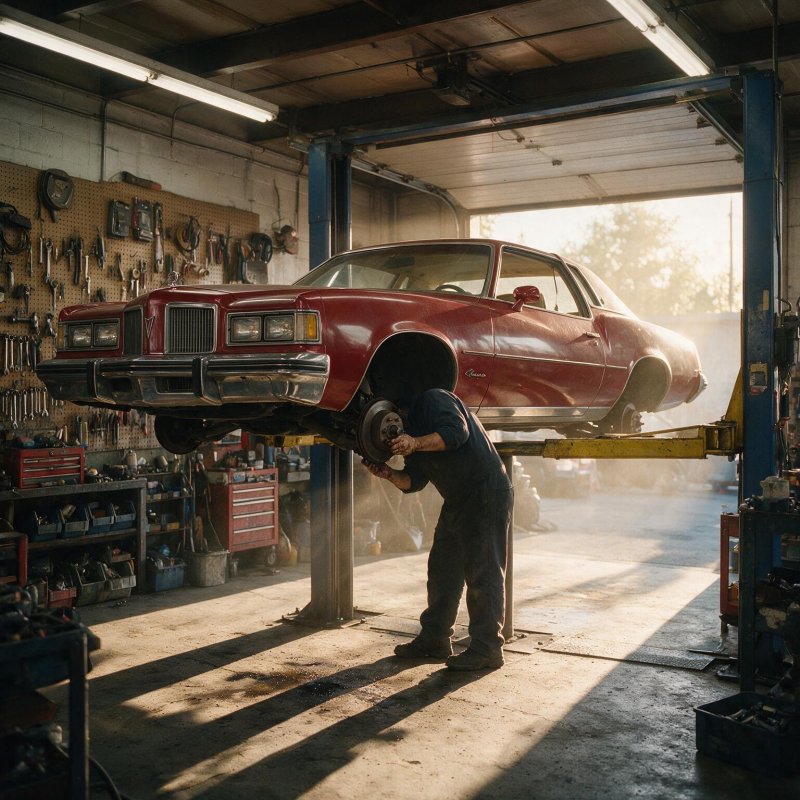
The Convenience of Mobile Mechanics: When They’re Your Best Bet
Mobile mechanics offer a practical middle ground between DIY repairs and visiting a traditional garage. Instead of driving to a shop and waiting in line, they come directly to your driveway, parking lot, or even your workplace. This level of convenience makes them especially appealing for routine jobs like replacing brake pads, swapping out batteries, or running diagnostics. Because they operate with fewer overhead costs than brick-and-mortar shops, mobile mechanics often charge less, making repairs more affordable without sacrificing quality.
One major benefit is their responsiveness. Many mobile mechanics can provide same-day service, which is invaluable when you’re dealing with urgent issues or can’t afford to be stranded. Watching them work and asking questions during the process can turn into a learning experience, helping you understand your vehicle better. This transparency and direct involvement build trust and give you a clearer picture of what’s happening under the hood.
However, their scope isn’t unlimited. Mobile mechanics are best suited for straightforward repairs that don’t require heavy equipment. Without access to lifts, large diagnostic tools, or specialized machinery, they can’t handle complex engine work, transmission repairs, or anything involving deep disassembly. For these jobs, a fully equipped garage with advanced tools is still your best bet. Recognizing this limitation helps prevent frustration and ensures you don’t push beyond what’s feasible for a mobile service.
Availability can also be a challenge. While many mobile mechanics are reliable and flexible, they often have packed schedules, which can make scheduling urgent repairs difficult. Planning ahead becomes essential, especially for non-emergency maintenance. To get the best results, it’s wise to read reviews or seek recommendations to find a trustworthy provider who consistently delivers quality work.
For a related viewpoint, Kenzie Wilson covers this in Smart Car Repair Choices for Safe and Cost-Effective Maintenance on Fantasy Quest Pro.
Choosing a mobile mechanic makes the most sense for simple, driveway-friendly repairs. Tasks like brake pad replacement, battery changes, or diagnostics are ideal. If you value convenience, want to avoid towing, or need a quick turnaround, they can be a real game-changer. But for anything involving heavy lifting, complex diagnostics, or safety-critical systems, relying on a traditional garage with proper equipment remains the safer option.
Overall, mobile mechanics provide a flexible, accessible alternative that fits well into busy lifestyles. They save time, often cut costs, and bring professional service directly to your doorstep. Knowing when to opt for a mobile mechanic versus a full-service garage ensures your vehicle gets the right care without unnecessary hassle or risk.
Trust the Experts: Why Professional Garage Repairs Are Essential for Complex Issues
When it comes to repairing complex or safety-critical systems, professional garages are the safest and most reliable choice. These facilities are equipped with advanced tools like lifts, diagnostic scanners, and specialized machinery that are essential for precise work. Their technicians have undergone extensive training and accumulated years of hands-on experience, enabling them to handle the most challenging repairs with confidence.
Engine rebuilds, transmission overhauls, and electronic system diagnostics require a level of expertise and equipment that only a fully equipped garage can provide. Lifts and specialized diagnostic tools give mechanics access to hidden components and allow for exact adjustments, ensuring repairs are thorough and correct the first time. This precision reduces the risk of future breakdowns or safety issues caused by incomplete or improper fixes.
Warranties offered by reputable garages add an extra layer of security. Knowing that parts and labor are covered if problems recur shortly after the repair provides peace of mind. While these services tend to be more costly upfront, the assurance of quality and safety makes the investment worthwhile—especially for critical systems that directly impact vehicle safety and performance.
Spatial Rifts offers a relevant article by Harp Parker titled Smart Vehicle Repair Choices for Safer, Faster Fixes.
Safety is a top priority in professional repair shops. Technicians follow strict protocols and use proper equipment to prevent accidents and further damage during repairs. Attempting complex repairs without proper training and tools not only risks compromising your safety but can also void your vehicle’s warranty. Relying on experts helps ensure your car remains safe to drive and maintains its value over time.
The quality of workmanship in a professional garage is consistently high. Certified technicians adhere to industry standards and often hold manufacturer-specific certifications. This expertise is especially important for safety systems like airbags, braking, and steering, where precision and proper calibration are crucial. Poorly executed repairs on these critical components can have serious consequences, making professional service an essential safeguard.
While the cost of garage repairs is higher, it reflects the use of specialized equipment, the skill of trained technicians, and the focus on safety and reliability. For major repairs or issues involving vital safety systems, this investment pays off by ensuring your vehicle’s long-term dependability and your peace of mind.
Choosing a reputable garage also offers benefits like transparent communication and detailed explanations. Professional mechanics can diagnose underlying problems accurately, saving you time and avoiding unnecessary replacements or guesswork. Their expertise ensures that repairs are not just quick fixes but long-lasting solutions.
In the end, for any repair involving critical safety components, complex systems, or extensive disassembly, trusting a professional garage is the best decision. Their specialized tools, skilled technicians, and commitment to quality protect you and your passengers, keeping your vehicle safe and performing at its best for years to come.
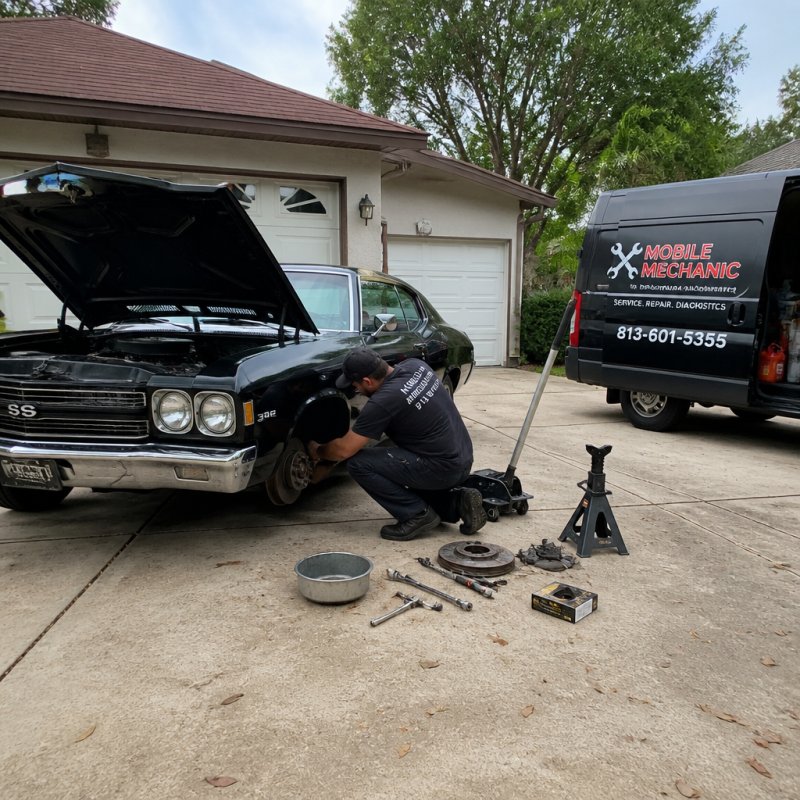
Choosing the Right Repair Path: A Practical Framework for Safe, Effective Car Care
Deciding how to repair your car hinges on matching the job’s complexity and safety needs with your skills, resources, and priorities. Start by evaluating whether the repair involves critical safety systems like brakes, airbags, or steering components. These areas demand professional expertise because mistakes can have serious consequences. Attempting DIY fixes on such systems risks safety, warranty loss, and costly errors, so trusting a qualified technician is usually the wisest choice.
Next, consider your own experience and confidence level. Simple tasks like replacing windshield wipers or topping off fluids are accessible for most car owners. But if a repair requires disassembly of major components, electronics, or specialized tools, it’s better to lean on professional services. Weigh the time, effort, and potential pitfalls—mistakes here could lead to bigger problems and higher costs down the line.
Time and convenience play significant roles. Urgent issues, such as brake failure or a dead battery, call for quick, reliable solutions. In these cases, a professional garage or a mobile mechanic can deliver faster, safer results. Routine maintenance or minor repairs, on the other hand, can often be scheduled at your convenience, whether you DIY, hire a mobile mechanic, or visit a shop. Recognizing how quickly you need the fix helps determine the best approach.
Cost factors into the decision but shouldn’t be the sole driver. DIY repairs cut labor costs but come with risks—errors can lead to more expensive repairs later. Professional garages charge more upfront but provide expertise, proper equipment, and warranties that protect your investment. For critical or complex repairs, paying for quality work often saves money and stress in the long run, ensuring your vehicle’s safety and reliability.
Finally, honesty about your limits is crucial. Don’t push yourself into repairs beyond your skill level or available tools. Knowing when to call in professionals isn’t a sign of weakness; it’s a smart move to protect your safety and extend your vehicle’s lifespan. By weighing safety, skill, time, and cost, you can choose the right method for each repair, keeping your car running smoothly without unnecessary risks.