Learning to ride a bike is more than just mastering two wheels—it’s a profound rite of passage that embodies courage, resilience, and family bonds. This milestone sparks feelings of independence and joy, yet it also confronts children with fears of falling and failure. How do parents turn wobbling into confidence? The answer lies in patience, supportive environments, and celebrating small victories. From choosing the right gear and safe spaces to breaking the process into manageable steps, every detail fosters trust and perseverance. Advances in bike design and safety technology promise to make this journey smoother and more inclusive, encouraging more children to experience the thrill of independence. But beyond equipment and techniques, it is the nurturing of a growth mindset—viewing setbacks as part of learning—that truly empowers kids. Isn’t it remarkable how a simple act like riding a bike can teach lifelong lessons about effort, trust, and family connection?
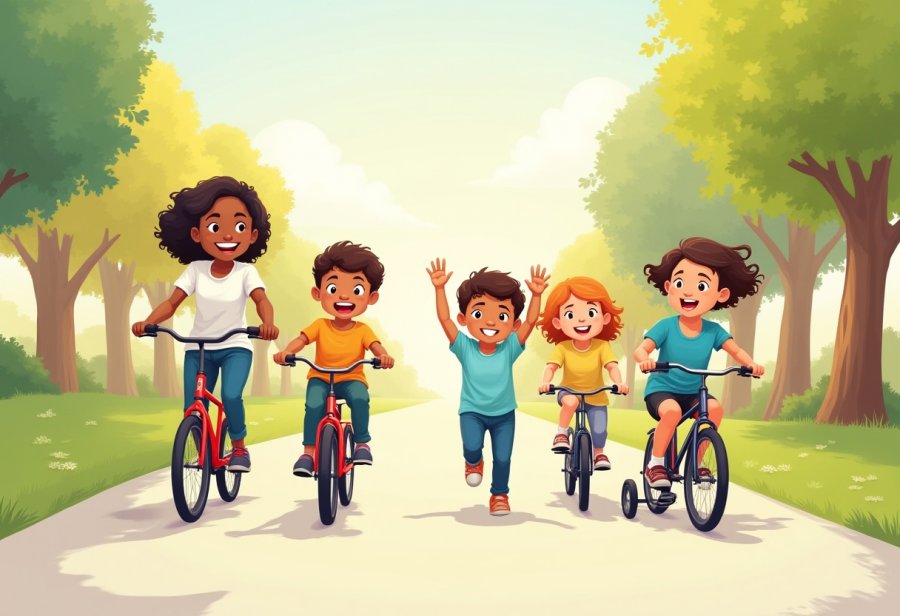
Celebrating the Milestone: Learning to Ride and Building Family Bonds
Learning to ride a bike marks a milestone that sticks with children and families long after those first wobbly pedals. It’s more than just mastering two wheels—it’s a moment of growth, independence, and shared achievement. For kids, those tentative starts, balancing efforts, and small victories on their first rides become stories of perseverance and confidence they carry into other parts of life. It’s a proud step toward self-reliance that fuels their sense of adventure.
For parents, teaching a child to ride is a journey filled with patience, encouragement, and a lot of small, shared successes. Watching a child stumble, get back up, and finally pedal on their own creates bonds rooted in trust and perseverance. These moments of support turn into lasting memories—laughter echoing in a park, high-fives after a fall, and the joy of seeing a child conquer their fears. Riding a bike becomes a symbol of teamwork and trust that strengthens family ties.
Beyond the immediate achievement, learning to ride opens a world of independence and freedom. It teaches children that setbacks are part of growth, and courage means trying again after a fall. These early lessons in resilience and persistence shape their approach to future challenges, both on and off the bike. The shared experience of overcoming fears and mastering balance fosters confidence that extends well beyond childhood.
This milestone also celebrates the simple joy of movement and exploration. Whether parents jog beside their kids or cheer from the sidelines, each moment of learning is about more than just riding—it’s about creating a positive, supportive environment where children feel safe to try, wobble, and succeed. And as they push off on their own for the first time, they’re not just riding a bike—they’re building a foundation of confidence, independence, and family connection that lasts a lifetime.
Preparing the Perfect Environment for Confident Cycling
Before diving into teaching a child to ride, setting the right mindset and environment makes all the difference. Patience is key, as learning this skill takes time and repeated practice. Approaching each step with encouragement helps keep the experience positive and prevents frustration from taking over.
Choosing a safe, open space like a park, driveway, or empty parking lot provides plenty of room for kids to focus on balancing and pedaling without the hazards of traffic or uneven terrain. Such a setting encourages experimentation and early confidence, making the learning process smoother and more enjoyable.
The right bike plays a crucial role. It should be lightweight, properly fitted to your child’s size, and easy to handle. An adjustable seat allows for growth, ensuring the bike remains manageable as they progress. While training wheels can help initially, many experts recommend starting without them to promote better balance from the start.
Safety gear isn’t optional — it’s essential. A well-fitting helmet, along with knee and elbow pads, protects against falls and helps children feel more secure. Reinforcing safety from the beginning teaches kids to see protection as part of the riding experience, not an obstacle. When gear fits comfortably, children are more likely to wear it consistently, building good habits early.
Creating a supportive environment extends beyond just the physical space. Clear, simple explanations about what to expect and emphasizing fun over perfection help reduce nerves. When kids understand that wobbling and falls are normal parts of learning, they’re more willing to try and persist. Positive language and confidence in their abilities boost their willingness to keep practicing.
Breaking the process into small, manageable steps makes progress less overwhelming. Starting with familiar tasks like walking alongside the bike or balancing with feet on the ground helps children get comfortable handling it. Gradually moving to gliding and pedaling builds confidence steadily, turning each small success into motivation.
Consistency is key. Short, regular practice sessions—around 15 to 20 minutes—are more effective than long, infrequent rides. These brief intervals prevent fatigue and keep the experience fun. Establishing a routine makes children look forward to riding, rather than dread it, and helps muscles and skills develop naturally.
Finally, celebrate every milestone, no matter how small. Whether it’s balancing without support or riding a few meters alone, acknowledging these moments reinforces their progress. With patience, preparation, and a positive approach, learning to ride becomes not just a skill, but a joyful step toward independence and confidence.
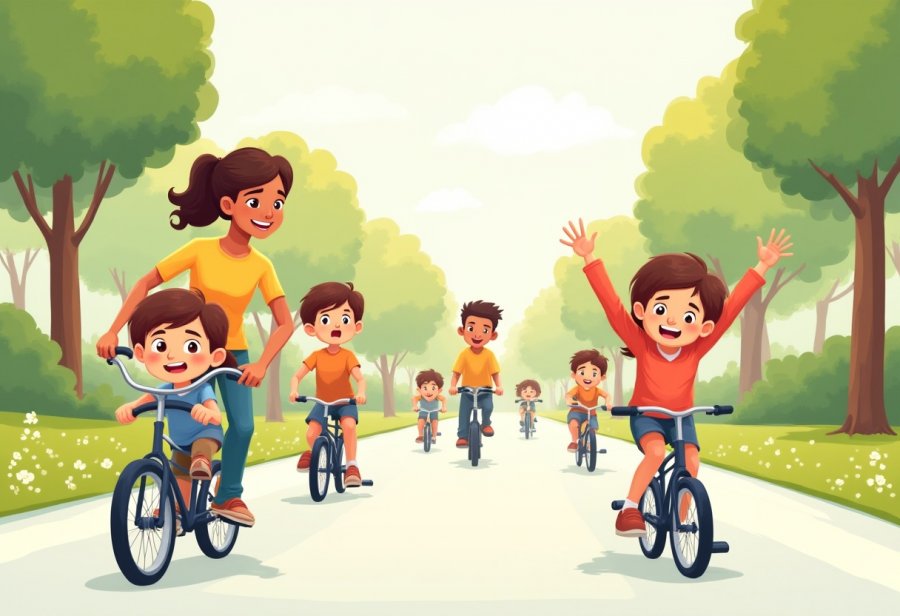
The Step-by-Step Journey to Independent Riding
Learning to ride a bike is a gradual process, built on small victories and steady progress. It begins with children feeling out their balance, often by walking alongside the bike or practicing with training wheels to get comfortable standing and gliding. These initial steps lay the foundation for more complex skills, gradually shifting from support to independence. As they gain confidence, kids start pedaling, steering, and braking, each action reinforcing their control and trust in their abilities.
Support from parents or guardians plays a crucial role throughout this journey. Encouragement helps children push past their fears and view setbacks as natural parts of learning, not failures. Celebrating even minor milestones—like balancing without support or riding a few meters alone—boosts their motivation and belief in themselves. These small successes create a positive feedback loop, making each step feel more achievable and less intimidating.
Progress often involves a mix of trial and error. Kids quickly realize that falling is inevitable and part of the learning curve. When falls happen, supportive adults help them interpret these moments as opportunities to learn rather than setbacks. This mindset fosters resilience, teaching children that perseverance is key to mastery. Over time, wobbling decreases, and riding becomes more fluid, almost instinctive.
Consistency and regular practice accelerate this development. Short, focused sessions—around 15 to 20 minutes—are most effective, preventing fatigue and keeping the experience fun. These consistent efforts help muscles adapt, refine coordination, and build confidence naturally. As children practice, they develop a sense of control that turns initial wobbliness into smooth, confident riding.
Every child learns at their own pace. Some pick up balance and coordination quickly, while others need more reassurance and time. The key is patience and maintaining a supportive environment that emphasizes effort over perfection. When children feel safe and supported, their willingness to practice and improve grows, turning challenges into opportunities for growth.
By the time kids are confidently riding on their own, they’ve acquired far more than just physical skill. They’ve developed resilience, trust in their abilities, and a sense of independence that extends beyond biking. These lessons in persistence and self-belief become part of their character, shaping how they face future challenges. The journey from wobbling to confident rider isn’t just about mastering two wheels; it’s about nurturing a mindset that embraces growth, effort, and courage.
Practical Tips for Teaching Kids to Pedal Safely and Joyfully
Teaching children to ride a bike in real-world settings calls for practical planning and a calm, patient approach. Picking a safe, open space like a park, driveway, or empty parking lot offers plenty of room for kids to focus on balancing and pedaling without the hazards of traffic or uneven terrain. Such environments let children experiment freely, helping them build confidence early and making the learning process smoother and more enjoyable.
Breaking the process into small, achievable steps keeps progress manageable. Start with simple goals, like walking alongside the bike or practicing balancing with feet on the ground. Gradually introduce gliding and pedaling, celebrating each small success along the way. This approach prevents overwhelm and keeps children motivated, reinforcing that persistence leads to progress.
Consistent practice is key. Short, regular sessions—around 15 to 20 minutes—are more effective than long, infrequent rides. These brief periods help muscles develop, coordination improve, and confidence grow naturally. Creating a routine makes riding familiar and fun rather than a chore, fostering a positive attitude toward learning and helping kids look forward to their next ride.
Safety gear is essential from day one. A well-fitting helmet, knee and elbow pads, and gloves protect against falls and give children a sense of security. Reinforcing the importance of safety early on helps instill responsible habits, and when gear is comfortable, kids are more likely to wear it consistently. Making safety a natural part of riding encourages a responsible and confident attitude that lasts a lifetime.
Keeping the environment positive and encouraging is crucial. Use supportive words and celebrate every effort, like balancing without support or riding a few meters on their own. When children see setbacks as normal parts of learning, they’re more willing to try again. Trusting their abilities and emphasizing fun over perfection helps build resilience and a love for riding that endures beyond initial lessons.
With patience, good planning, and a focus on safety and encouragement, teaching a child to ride becomes a memorable and rewarding experience. When the environment feels safe and supportive, children are more likely to enjoy their progress and develop a lifelong love of cycling. This foundation of confidence, resilience, and family support sets the stage for many adventures ahead.
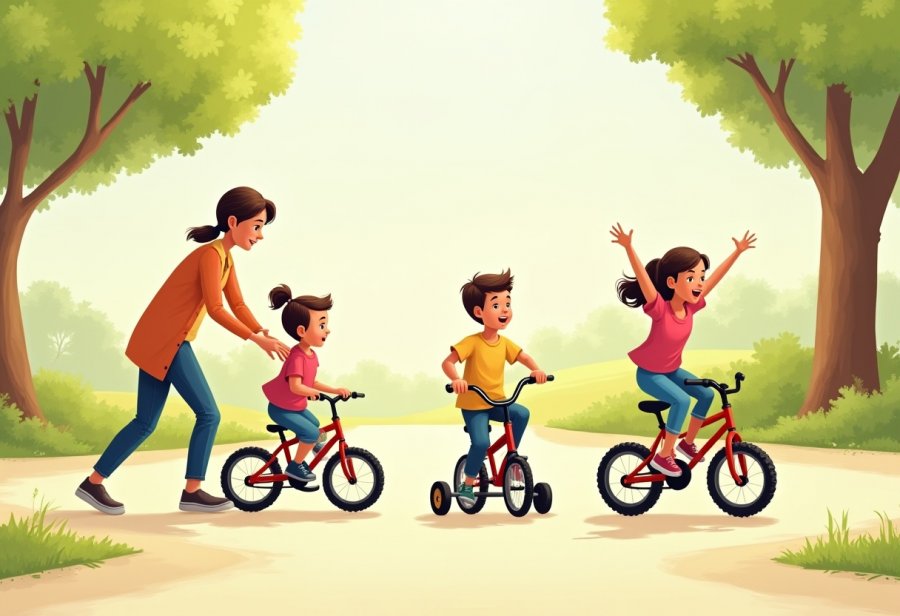
Future of Cycling Education: Innovations, Safety, and Lifelong Adventures
Learning to ride a bike remains a timeless milestone that combines fun, independence, and personal growth. Advances in bike design and safety technology continue to make the process more accessible and less intimidating for young riders. Lightweight frames, adjustable features, and user-friendly controls help children build confidence early on, encouraging more frequent practice and exploration. Enhanced safety gear, including smarter helmets and protective clothing, further reduces risks, making the experience safer and more enjoyable.
Innovative teaching methods are transforming how kids learn to cycle. Virtual tutorials, interactive apps, and community programs offer engaging alternatives that complement traditional lessons. These tools not only boost motivation but also help children grasp skills more quickly in a supportive environment. Community cycling events and clubs foster social connections, turning learning into a fun, shared adventure. Together, these trends make biking education more inclusive, ensuring that more children can experience the freedom and joy that come with mastering two wheels.
While the core principles of patience, support, and safety remain unchanged, their application is evolving. Emphasizing a growth mindset, celebrating small wins, and framing mistakes as part of the process motivate kids to persevere. When adults create environments where falls and wobbling are seen as normal, children develop resilience and a positive attitude toward challenges. These lessons in persistence and confidence extend far beyond riding, shaping their approach to future hurdles with optimism.
Looking ahead, the future of biking safety is promising. Smarter helmets equipped with impact sensors, breathable protective gear, and bikes designed specifically for children will continue to enhance safety. Advances in training techniques, including digital platforms and community initiatives, promise to accelerate learning and foster independence. With technology and thoughtful design working hand in hand, riding will become safer, more inclusive, and more fun for every child.
Parents and guardians will remain central to this journey. Their ongoing encouragement, responsible riding habits, and modeling of safety behaviors build not just skills but lifelong attitudes. By supporting children through their early experiences and celebrating progress, they help instill a love for cycling that can last a lifetime. These foundational lessons in patience, resilience, and trust prepare kids to face new challenges with confidence and enthusiasm.
Ultimately, learning to ride a bike is much more than a physical skill—it’s a journey of growth, independence, and connection. As new innovations continue to lower barriers and enhance safety, the adventure becomes accessible to more children than ever before. Each successful ride reinforces the idea that with patience, support, and a willingness to fall and get back up, the path to confidence is well within reach. Cycling, in this light, remains a powerful symbol of courage and family bonds that will inspire generations to come.