Beyond Hollywood’s glamorous myth, Cleopatra VII emerges as a formidable strategist, scholar, and diplomat whose true legacy lies in her sharp intellect and political mastery. Can a woman’s influence be wielded through knowledge and resilience rather than beauty and charm? This portrayal uncovers her deep engagement with learning, her multilingual prowess, and her ability to craft alliances through cultural understanding and timing—tools that allowed her to preserve Egypt’s independence amid Roman ascendancy. Her leadership was rooted in strategic finesse, adaptability, and the ability to shape perceptions, not just romantic liaisons. By reevaluating her influence through the lens of resilience and intelligence, Cleopatra exemplifies the enduring power of mental agility in leadership. Her story challenges us to look past superficial stereotypes and recognize that true influence stems from wisdom, strategic insight, and cultural literacy—traits as relevant today as they were in ancient Egypt.
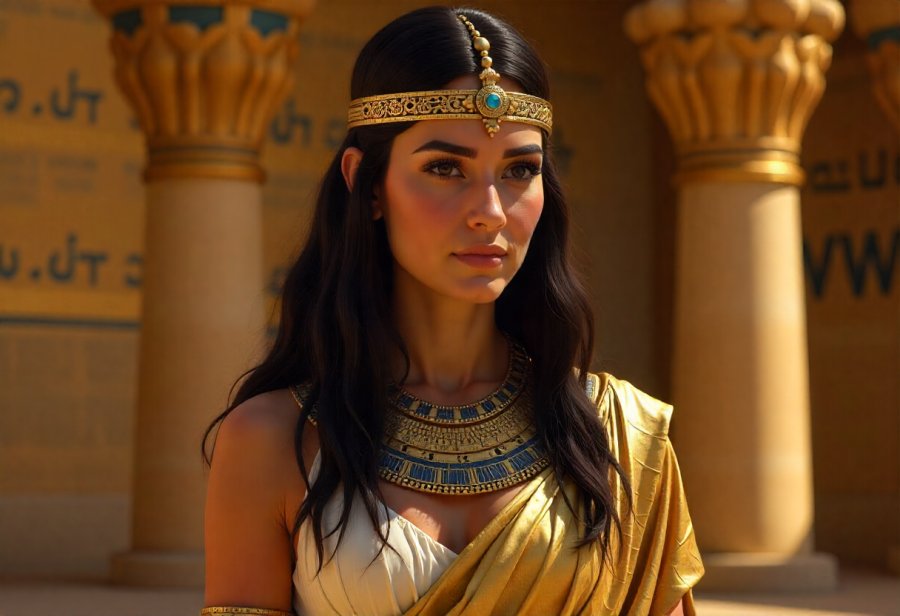
Unveiling Cleopatra: Beyond Hollywood’s Glamorous Lens
Cleopatra VII is often remembered through Hollywood’s glamorous lens, but her true legacy extends far beyond that image. She was a highly intelligent and strategic ruler, the last active monarch of Egypt’s Ptolemaic dynasty. Rather than focusing on her beauty, it’s more accurate to see her as a master diplomat and scholar who used her wit and political skill to shape history. Cleopatra understood the importance of alliances, knowledge, and cultural influence, wielding these tools with remarkable finesse to preserve Egypt’s independence during a time of rising Roman power.
Her reign took place in a vibrant and complex cultural environment. Egypt, especially Alexandria, was a crossroads of ideas, commerce, and innovation, home to the legendary Library of Alexandria and a thriving scholarly community. Cleopatra herself was deeply engaged in learning—she spoke multiple languages, studied philosophy, science, and governance. This education was not just a personal pursuit; it was a strategic asset that helped her navigate the treacherous political landscape of her time.
Far from the Hollywood myth of a seductress, Cleopatra’s strength lay in her mind. She was a skilled diplomat who understood that influence was built through persuasion, cultural understanding, and strategic alliances. Her partnerships with Julius Caesar and Mark Antony were carefully calculated moves, designed to secure Egypt’s sovereignty rather than mere romantic pursuits. Her ability to communicate across different cultures and languages made her an effective negotiator, using her intelligence and knowledge to sway powerful figures and shape political outcomes.
Much of her reputation as a seductress is rooted in myth and storytelling, which can obscure her real achievements. In reality, Cleopatra’s leadership was rooted in resilience, wit, and strategic thinking. Her crisis management, timing, and diplomacy allowed her to maintain her throne and protect her kingdom amid external threats and internal dissent. She knew that influence depended less on force and more on shaping perceptions, seizing opportunities, and forging alliances that could stand the test of time.
Recognizing Cleopatra’s true legacy involves separating myth from fact. She was far more than a glamorous figure; she was a ruler who combined scholarly wisdom with political mastery. Her resilience and intelligence enabled her to govern effectively, even in the face of overwhelming odds. Her story reminds us that leadership rooted in knowledge, diplomacy, and resilience remains powerful—and relevant—across ages.
By understanding her as a strategist and scholar, we see her not just as a historical figure but as a symbol of intellectual strength and diplomatic finesse. Her ability to adapt, learn, and negotiate under pressure set her apart as one of history’s most underestimated leaders. Cleopatra’s legacy endures because she proved that influence is often a matter of the mind, a lesson that still resonates today.
Master Diplomat and Scholar: Cleopatra’s Strategic Leadership
Cleopatra’s leadership was defined by her exceptional skill in navigating the complex web of political and diplomatic challenges she faced. Unlike many rulers who relied primarily on military strength, she understood that influence often stemmed from clever negotiation, cultural intelligence, and strategic alliances. Her relationships with Julius Caesar and Mark Antony weren’t driven by romance alone but by calculated moves aimed at securing Egypt’s independence and strengthening her position on the world stage.
Her mastery of multiple languages and her keen awareness of different cultural norms gave her a significant edge in diplomacy. Cleopatra spoke fluently in several languages, allowing her to communicate directly with diverse audiences—reducing misunderstandings and building trust. This ability to connect personally and culturally with her allies and subjects made her negotiations more effective, giving her influence that many of her contemporaries lacked.
Cleopatra’s strategic brilliance was also evident in her timing and decision-making. She knew when to push forward, when to wait, and when to pivot. Her alliance with Julius Caesar was a masterstroke, securing her throne and gaining her a powerful Roman supporter. Her relationship with Mark Antony followed a similar logic—an effort to keep Egypt afloat amid the expanding Roman empire. She viewed diplomacy as a dynamic tool, wielded with precision to adapt to shifting circumstances and safeguard her kingdom’s future.
Her ability to anticipate threats and seize opportunities set her apart from many other rulers. Cleopatra wasn’t merely reacting to external pressures but actively shaping events through her diplomatic initiatives. Her reputation and influence depended on her understanding of timing and perception—knowing when to act boldly and when to exercise restraint. This patience and strategic foresight helped her maintain stability and authority even as external forces grew increasingly hostile.
Her intellectual pursuits—ranging from philosophy and science to languages—weren’t just personal interests but vital components of her leadership toolkit. This broad knowledge base allowed her to craft nuanced strategies, engage with scholars and politicians alike, and respond flexibly to crises. Her scholarly background enriched her political intuition, making her a leader who combined intellect with action.
Cleopatra’s resilience was also rooted in her adaptability. When alliances faltered or Roman influence intensified, she responded by recalibrating her diplomacy. Her mental agility and willingness to learn from setbacks kept her relevant and effective for decades. Her leadership exemplifies how strategic flexibility and intellectual depth can sustain influence through turbulent times.
This deep understanding of power—rooted in influence, knowledge, and cultural literacy—made Cleopatra a master of political navigation. She knew that true authority came from shaping perceptions and forging genuine relationships, not just from wielding force. Her ability to think ahead and act with purpose highlights the timeless importance of strategic influence in leadership.
Ultimately, Cleopatra’s legacy as a leader rests on her mastery of diplomacy, her intellectual depth, and her resilience. She demonstrated that influence is often a matter of the mind—shaped by insight, timing, and cultural awareness. Her leadership offers enduring lessons: that strategic thinking and intellectual agility are as powerful today as they were in ancient Egypt.
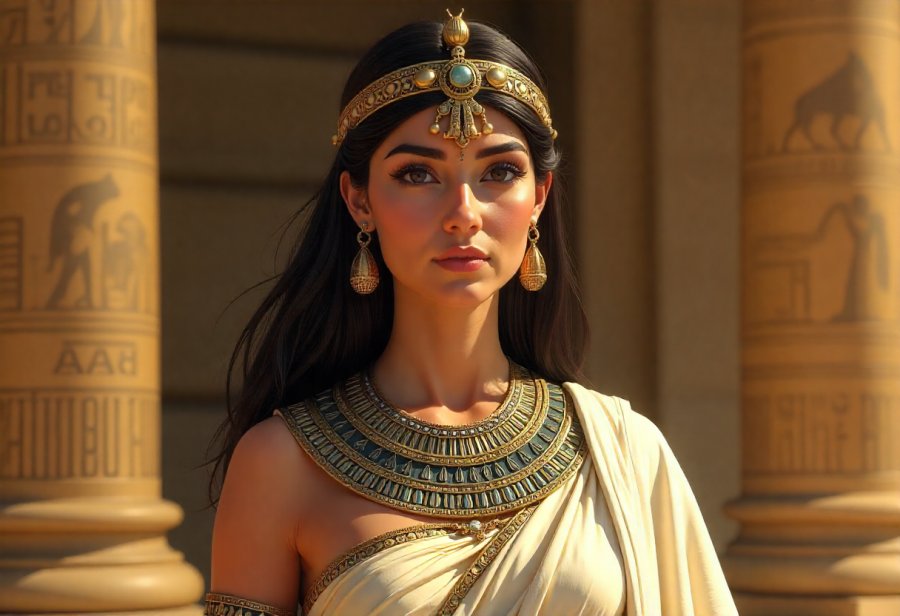
Myth Versus Reality: Rethinking Cleopatra’s True Character
Cleopatra’s story has long been shaped by conflicting images that make it difficult to see her true character clearly. Popular culture often portrays her as a seductive enchantress whose charm swayed powerful men like Julius Caesar and Mark Antony. While she was undoubtedly charismatic, emphasizing her beauty and romantic liaisons reduces her complex leadership to superficial stereotypes. This narrow view risks overshadowing her real strengths as a diplomat, scholar, and strategic thinker.
On the other hand, many historians emphasize her sharp political mind and diplomatic finesse. They recognize her as a ruler who skillfully navigated Egypt’s independence through clever negotiation, cultural influence, and a deep understanding of power dynamics. These accounts highlight her as a master of persuasion, using her multilingual abilities and cultural intelligence to forge alliances and manipulate circumstances in her favor. This perspective paints her less as a romantic figure and more as a resilient, strategic leader.
The challenge lies in separating these stories and appreciating that both contain elements of truth. Hollywood’s portrayal tends to focus on romance and glamour, often sensationalizing her story and downplaying her political achievements. Conversely, scholarly narratives sometimes overlook her personal charisma and influence, emphasizing her diplomatic skills and scholarly pursuits instead. Both extremes can distort her legacy if taken in isolation. She was a woman of remarkable resilience, intelligence, and influence—traits that extend well beyond superficial images.
Many misconceptions stem from narratives that depict her as a passive pawn manipulated by men. This view underestimates her active role in shaping Egypt’s future. Cleopatra wasn’t merely a figure of beauty or a tool in Roman politics; she was a strategic thinker who used her knowledge, language skills, and resilience to steer her kingdom through turbulent times. Recognizing her agency challenges outdated stereotypes and acknowledges her as a powerful, autonomous leader.
Media portrayals continue to emphasize her allure, often at the expense of her scholarly interests and diplomatic mastery. This focus on glamour can obscure her true leadership qualities. Cleopatra’s intelligence, strategic vision, and ability to adapt in a male-dominated world made her a formidable force whose influence went far beyond her romantic stories. Seeing her through a more nuanced lens reveals a leader who mastered influence through intellect, cultural understanding, and resilience—qualities that still resonate today.
Timeless Lessons: Applying Cleopatra’s Wisdom to Modern Leadership
Cleopatra’s leadership qualities—particularly her strategic thinking and intellectual agility—offer timeless lessons for today’s world. Her ability to navigate complex political landscapes, forge alliances, and adapt swiftly to shifting circumstances demonstrates principles that remain highly relevant. In an era where diplomacy often outweighs military might, her emphasis on cultural understanding and strategic communication highlights the importance of relationship-building rooted in trust and mutual benefit.
Her skill in forming and maintaining alliances with powerful figures like Julius Caesar and Mark Antony shows that influence hinges on deep relationship management. Modern leaders can learn from her example that effective influence depends on clear, culturally aware communication. Developing cultural literacy and emotional intelligence helps create resilient partnerships capable of withstanding geopolitical or organizational upheavals.
Resilience was central to Cleopatra’s success. Despite external threats from Rome and internal challenges, she persisted with unwavering focus. Her ability to remain flexible, reassess her strategies, and respond diplomatically to setbacks exemplifies mental toughness. Today’s leaders face constant disruptions, and her example encourages them to see resilience not just as endurance but as active adaptation and continuous learning.
Her scholarly pursuits in sciences, languages, and philosophy weren’t mere interests—they were tools that enriched her governance and diplomacy. Emulating her curiosity and dedication to lifelong learning empowers leaders to understand complex issues more deeply, craft innovative solutions, and build credibility. In a world where knowledge and cultural literacy are crucial, Cleopatra’s example reminds us that intellectual agility enhances strategic decision-making.
Timing and calculated decision-making also played vital roles in her leadership. Cleopatra knew when to act boldly and when to exercise patience. Her ability to read the room, seize the right moment, and act purposefully fostered trust and loyalty. Leaders today can draw from her mastery of timing to navigate crises effectively, emphasizing that thoughtful action often yields the greatest influence.
Her influence was rooted in shaping perceptions and forging genuine relationships, not just wielding force. Cleopatra understood that authority stems from understanding human nature and cultural nuances. Her capacity to think ahead and act with purpose underscores the enduring importance of strategic influence over brute strength in leadership.
By studying her example, modern leaders can appreciate that influence built on knowledge, cultural understanding, and resilience creates lasting impact. Her leadership shows that intellectual agility and strategic foresight are as vital now as they were in ancient times. Embracing these qualities can help navigate today’s complex, interconnected world with greater confidence and effectiveness.
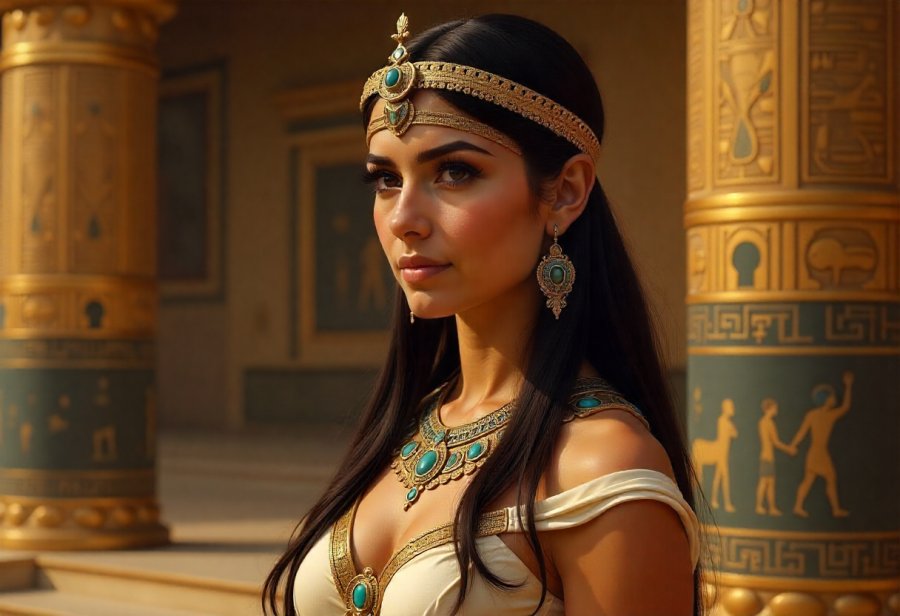
Redefining Her Legacy: The Power of Intellect and Strategy
Looking beyond the glamorous stories and romantic myths, Cleopatra’s true strength lay in her intellect and strategic mind. Her legacy as a ruler is rooted in her ability to navigate a turbulent political landscape through wit, diplomacy, and resilience. She understood that influence stemmed from knowledge, cultural insight, and careful negotiation—tools that allowed her to maintain her throne amidst external threats and internal dissent.
This shift in perspective reveals her as a pioneering leader who mastered the art of influence through intelligence and strategic thinking. Her talent for forging alliances, communicating across cultures, and adapting to changing circumstances underscores qualities that remain relevant today. Cleopatra’s leadership was less about power for its own sake and more about shaping her destiny through mental agility and resilience.
Challenging old stereotypes, her story becomes one of a woman who used her education, multilingual abilities, and diplomatic finesse to carve out a formidable place in a male-dominated world. Her resilience and foresight enabled her to govern effectively for decades, even as external forces threatened her kingdom’s stability. Her influence was built on shaping perceptions and leveraging her knowledge, not just on superficial charm or personal allure.
This broader understanding of her character highlights that genuine leadership depends on more than surface appearances. Cleopatra’s mastery of diplomacy and her scholarly pursuits show that influence is often a matter of the mind—how well one understands human nature, seizes opportunities, and responds to crises. Her strategic foresight and adaptability are lessons that resonate across ages, emphasizing that intelligence and resilience are timeless qualities of true leaders.
Her legacy invites us to look past superficial images and appreciate the depth of her leadership. Cleopatra demonstrated that influence rooted in knowledge and cultural literacy can leave a lasting mark far beyond fleeting moments of fame or romance. She exemplified how mental agility and strategic insight can shape history, inspiring leaders to prioritize wisdom, adaptability, and resilience.
Recognizing her as a master strategist redefines her role in history. She was not just a figure of beauty or a pawn manipulated by others but a woman who used her intellect and political skill to craft a lasting legacy. Her ability to think ahead and act purposefully made her a formidable force, one whose influence endures because it was built on the power of her mind.
Her story reminds us that true power lies in understanding complex human dynamics, seizing the right moments, and responding with resilience. Cleopatra’s leadership was rooted in her capacity to influence through insight, cultural understanding, and strategic foresight—traits as vital today as they were in ancient Egypt.
In the end, Cleopatra’s legacy challenges us to see beyond surface appearances and recognize the true essence of leadership. It’s a story of intellect and strategic brilliance, of influence wielded through resilience and wisdom. Her life continues to inspire those who value the power of the mind in shaping history and leading with purpose.