Nylon, a ubiquitous material in our daily lives, is celebrated for its strength, flexibility, and affordability—yet beneath its versatile surface lies a troubling environmental legacy. Derived from petrochemicals, nylon’s production is energy-intensive and contributes significantly to pollution, releasing hazardous chemicals and greenhouse gases. Once discarded, nylon persists in landfills for centuries, adding to the global plastic pollution crisis, while microfiber shedding during washing introduces microplastics into oceans, harming marine life and threatening human health. This stark contrast between nylon’s convenience and its hidden costs prompts a vital question: can we continue to rely on a material so deeply intertwined with environmental degradation? As the impacts of nylon’s lifecycle become increasingly evident, innovative solutions like recycling, biodegradable fibers, and sustainable options beckon—highlighting the urgent need to rethink how we produce and dispose of synthetic fibers for a more sustainable future.
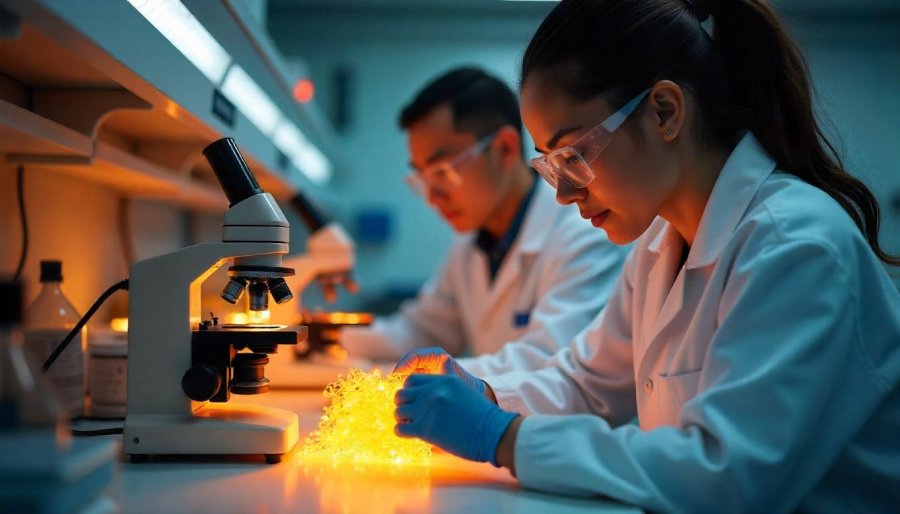
Nylon’s Ubiquity: A Quiet Force in Our Daily Lives
Nylon is one of those materials that quietly surrounds us every day, yet many of us rarely stop to think about it. From the clothes we wear and the carpets under our feet to the gear used for outdoor adventures or sports, nylon plays a surprisingly versatile role in modern life. Since its invention in the 1930s, nylon has become a staple in countless industries thanks to its strength, flexibility, and affordability. It revolutionized the way products are made, offering a synthetic alternative to natural fibers that is lighter, more durable, and often cheaper to produce.
What makes nylon so pervasive isn’t just its physical properties but also how it’s produced. As a synthetic fiber, nylon results from complex chemical reactions that transform petrochemicals—derived from oil and natural gas—into long-chain polymers. These polymers are then spun into fibers, creating a material that is not only resilient but also resistant to wear, chemicals, and moisture. This combination of qualities has made nylon an indispensable component in textiles, industrial applications, and everyday products, shaping many aspects of our daily routines.
The origins of nylon trace back to pioneering work in the early 1930s by Wallace Carothers and his team at DuPont. Initially conceived as a substitute for silk, nylon was launched to the public in 1939 with the debut of nylon stockings, which quickly became a fashion icon. During World War II, its utility expanded dramatically, serving crucial roles in parachutes, ropes, and military gear. The success of nylon in these demanding environments demonstrated its resilience and adaptability, cementing its place in both consumer and industrial sectors.
However, behind nylon’s convenience lies a more complex and often troubling story. Its production is heavily dependent on petrochemicals—fossil fuels like oil and natural gas—making it inherently tied to finite resources and environmental concerns. The chemical processes involved in making nylon—such as polymerization—are energy-intensive and release pollutants into the air and water. These emissions include volatile organic compounds, nitrogen oxides, and hazardous chemicals that contribute to air pollution, smog formation, and climate change.
Furthermore, nylon’s lifecycle doesn’t end at manufacturing. Once discarded, these synthetic fibers tend to persist in landfills for hundreds of years, resisting natural decay due to their durable polymer structure. This longevity contributes significantly to the global plastic pollution crisis. Every nylon product, whether a piece of clothing, a carpet, or packaging material, adds to the mountain of long-lasting waste that pollutes ecosystems and contaminates soil and water over time.
An additional concern is the shedding of microfibers during washing. Tiny fibers, often called microplastics, are released into water systems with each laundry cycle. These microfibers are so small they evade standard filters, entering oceans, lakes, and rivers. Marine animals ingest these fibers, mistaking them for food, which can cause injuries, interfere with their feeding, and introduce toxic chemicals into their bodies. As microplastics accumulate in marine life and travel up the food chain, they pose risks not only to ecosystems but also to human health, highlighting the far-reaching impacts of nylon’s environmental footprint.
Understanding the widespread influence of nylon reveals both its utility and its hidden costs. Its dependence on fossil fuels, the pollution generated during production, and the persistent waste it leaves behind underscore the urgent need for more sustainable practices. Moving forward, innovations like recycling nylon from waste, developing biodegradable fibers, and choosing natural textiles offer promising alternatives. Recognizing these environmental challenges is the first step toward making more informed choices about the products we use daily, ultimately shaping a more sustainable future.
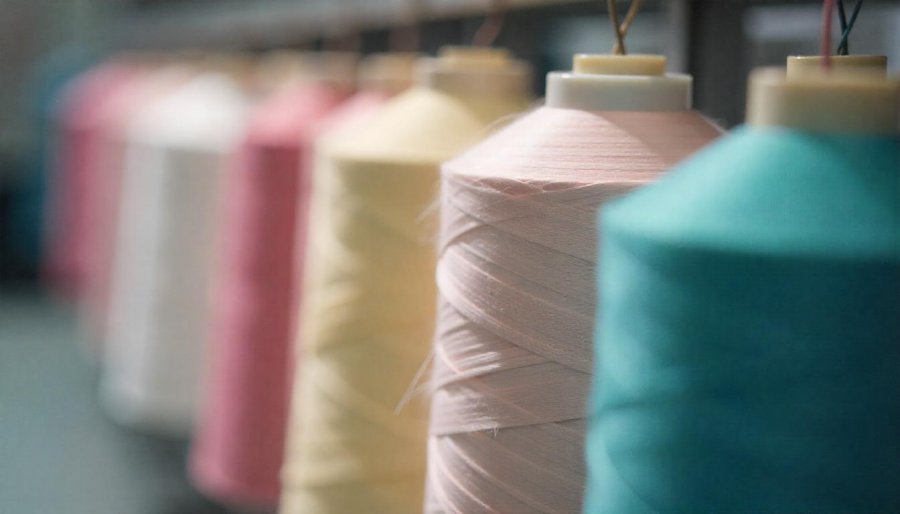
Unveiling Nylon: Composition, Origins, and Industry Impact
Nylon is a synthetic polymer, a type of plastic fiber created through a series of intricate chemical reactions. Its structure is based on long chains of molecules called polyamides, linked together by amide bonds. These bonds give nylon its impressive strength, elasticity, and resistance to wear, making it a highly adaptable material used across countless industries. The chemical makeup of nylon allows it to be both durable and flexible, qualities that have cemented its role as a staple in modern manufacturing.
The process of making nylon begins with petrochemicals derived from oil and natural gas. These raw materials are refined and processed into basic chemicals such as benzene, phenol, and adipic acid. These chemicals serve as the building blocks for nylon’s polymer chains. Through a process called polymerization, these small molecules are linked together to form long, repeating chains that are spun into fibers. This chemical foundation is central to nylon’s utility but also binds it closely to dependence on fossil fuels.
Nylon’s origins date back to the early 1930s, when American chemist Wallace Carothers and his team at DuPont developed it as the first synthetic fiber. Initially envisioned as a silk substitute, nylon was introduced to the public in 1939 with the debut of nylon stockings, which became a fashion sensation almost overnight. Its resilience and versatility made it invaluable during World War II, when it was used for parachutes, ropes, and military gear—proving its durability under demanding conditions. Over subsequent decades, chemical innovations expanded nylon’s applications into textiles, industrial parts, and household items, embedding it deeply into our everyday lives.
The production of nylon is energy-intensive and relies heavily on non-renewable resources. Extracted from fossil fuels, the raw materials are processed into chemicals like benzene, adipic acid, and phenol. These chemicals are then polymerized in controlled reactions that emit a mix of pollutants, including volatile organic compounds (VOCs), nitrogen oxides, and other hazardous chemicals. These emissions contribute to smog formation, respiratory issues, and climate change, impacting both local environments and global ecosystems.
Beyond the manufacturing stage, nylon’s environmental footprint continues through its end-of-life. Its synthetic, non-biodegradable nature means that discarded nylon items can persist in landfills for hundreds of years. Unlike organic materials, nylon resists natural decay, slowly leaching residual chemicals into soil and water over time. This long-lasting waste contributes significantly to the global plastic pollution crisis, with each nylon product adding to the mounting pile of persistent debris in our environment.
A major concern is microfiber pollution resulting from washing nylon garments. Tiny fibers, known as microplastics or microfibers, shed with each laundry cycle and escape into water systems. These microfibers are so small they bypass conventional filters, ending up in oceans, lakes, and rivers. Marine animals ingest these fibers, mistaking them for food, which can cause injuries, interfere with feeding, and introduce toxic chemicals into their bodies. As these microplastics accumulate in marine ecosystems and travel up the food chain, they pose risks not only to aquatic life but also to human health.
The dependence on petrochemicals for nylon production ties directly into climate change. The energy-intensive processes involved in extracting and refining raw materials emit significant greenhouse gases, mainly carbon dioxide. From the initial extraction to chemical synthesis, each step consumes large amounts of energy, predominantly from fossil fuels, contributing to global warming. Additionally, chemical emissions from manufacturing further deteriorate air quality and threaten public health, highlighting the complex environmental costs embedded in nylon’s lifecycle.
Efforts to address these environmental challenges are gaining momentum. Recycling nylon from plastic waste is one promising approach, transforming pollution into valuable raw material and reducing reliance on virgin petrochemicals. Innovations in biodegradable fibers and natural textiles aim to replace nylon in clothing and household products, offering more sustainable options. Consumer awareness and choosing recycled or eco-friendly products play a crucial role, alongside stricter regulations on chemical emissions and improvements in wastewater treatment. Recognizing nylon’s full lifecycle emphasizes the importance of rethinking how we produce and dispose of synthetic fibers, pushing us toward more responsible and sustainable practices.
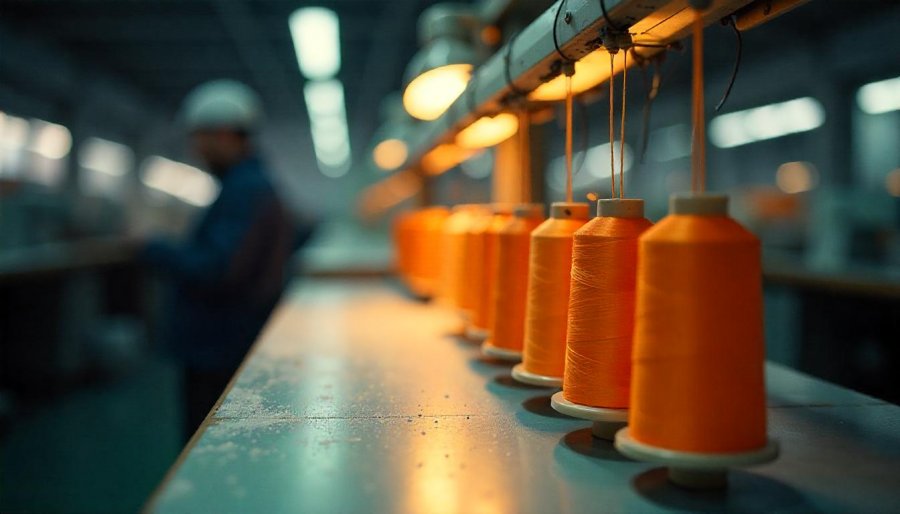
The Environmental Toll: Confronting Nylon’s Persistent Pollution Challenges
Nylon’s environmental challenges extend far beyond its manufacturing process, revealing a cycle of impact that persists long after the fibers leave the factory. Once discarded, nylon items—clothing, carpets, packaging—can linger in landfills for centuries because of their synthetic, non-biodegradable structure. Unlike natural materials that decompose relatively quickly, nylon’s durable polymer chains resist natural decay, leading to the accumulation of long-lasting waste that worsens the global plastic pollution crisis. This persistent presence not only consumes valuable landfill space but also allows toxic residues to leach into soil and water, contaminating ecosystems and posing risks to wildlife and human health.
Washing nylon garments adds another layer of environmental concern. Each laundry cycle releases tiny fibers, known as microplastics or microfibers, that escape into water systems. These microfibers are so minuscule that they bypass conventional filtration systems, entering rivers, lakes, and oceans. Marine animals often mistake these fibers for food, ingesting them and suffering injuries, blockages, or chemical poisoning. As microplastics accumulate in marine life and move up the food web, they threaten biodiversity and introduce toxins into the human diet, especially through seafood consumption. The ubiquity of microfibers highlights how nylon’s environmental footprint extends into every corner of our ecosystems.
The manufacturing phase itself compounds nylon’s ecological toll. Its reliance on fossil fuels—primarily oil and natural gas—means every step from raw material extraction to chemical synthesis demands vast amounts of energy. Petrochemicals like benzene, phenol, and adipic acid are processed through energy-intensive reactions that emit significant greenhouse gases, chiefly carbon dioxide, fueling climate change. The chemical reactions also release volatile organic compounds (VOCs), nitrogen oxides, and other hazardous pollutants into the atmosphere, contributing to smog formation and respiratory problems in nearby communities. Wastewater from nylon production often contains toxic residues, which, if not properly managed, seep into waterways and harm aquatic ecosystems.
Chemical emissions from nylon factories don’t stop at air pollution. The discharge of untreated or inadequately treated wastewater deposits hazardous chemicals into rivers and lakes, affecting aquatic life and contaminating drinking water sources. These pollutants can cause long-term damage to ecosystems, disrupting habitats and poisoning wildlife. The cumulative effect of air and water pollution from nylon manufacturing underscores the significant environmental degradation tied to its lifecycle. This pollution not only impacts local environments but also contributes to broader issues like climate change and public health crises.
The durability that makes nylon so useful also renders it an environmental burden once disposed of. Its resistance to natural breakdown means nylon waste can remain in landfills for hundreds of years, slowly leaching residual chemicals into the environment. Over time, these persistent chemicals contaminate soil and water, creating long-term pollution hotspots. As nylon items degrade very slowly, they act as a continuous source of chemical release, exacerbating the pollution problem and making waste management increasingly challenging. The accumulation of nylon waste underscores the urgent need for better recycling and disposal strategies to mitigate its environmental impact.
Microplastic pollution from nylon isn’t confined to distant or remote locations. Tiny fibers shed from clothing during washing have been detected in the Arctic ice, deep ocean trenches, and every continent’s waters. Marine organisms ingest these fibers, which can cause injuries, interfere with feeding, and introduce toxic chemicals into their bodies. As microplastics build up in marine food webs, they pose risks not only to aquatic ecosystems but also to human health, given our reliance on seafood. This widespread contamination illustrates how nylon’s environmental footprint is inextricably linked to global health and biodiversity.
Efforts to address nylon’s environmental impact are gaining momentum, but significant challenges remain. Recycling nylon from plastic waste offers a promising route, transforming pollution into raw material and reducing dependence on virgin resources. Innovations in biodegradable fibers and natural textiles aim to replace nylon in clothing and household items, providing more sustainable options. Consumer awareness plays a vital role—opting for recycled or eco-friendly products can make a real difference. Additionally, stricter regulations on chemical emissions and wastewater management are crucial to minimizing pollution from manufacturing facilities.
Confronting nylon’s environmental challenges demands a systemic shift in how we produce, use, and dispose of synthetic fibers. Recognizing the full lifecycle—from fossil fuel extraction to long-term waste—highlights the hidden costs behind many everyday products. Transitioning toward recycled, biodegradable, or natural alternatives isn’t just a trend; it’s a necessity for safeguarding ecosystems, public health, and the future of our planet. Building awareness and fostering innovation will be key drivers in reducing nylon’s ecological footprint and moving toward a more sustainable, responsible approach to materials we often take for granted.