Mastering calm dog walking is more than a obedience goal; it’s a transformative journey that deepens the bond between owner and pet. When you walk with relaxed confidence and your dog responds with focus and self-control, it fosters trust, reduces stress, and turns routine outings into shared moments of connection. This approach emphasizes gentle guidance, positive reinforcement, and patience—moving away from dominance-based methods toward a more humane, emotionally intelligent strategy. Current trends highlight mindfulness, environmental enrichment, and the importance of emotional health, making walks peaceful and rewarding for both parties. But how can you navigate common challenges like distractions, setbacks, or anxiety? With consistent practice, clear communication, and resilience, you can turn obstacles into growth opportunities. Are you ready to unlock this peaceful, mutually rewarding connection, transforming daily walks into serene adventures rooted in trust, calmness, and companionship?
Deepen Bonds and Build Trust Through Calm Dog Walking
Mastering calm dog walking is about more than just teaching your pet to walk without pulling; it’s a way to deepen the bond you share. When both of you move together with ease and relaxation, it fosters trust and cooperation that go beyond simple obedience. These peaceful walks become opportunities for genuine connection, helping your dog feel secure and confident under your guidance. As a result, common behavioral issues like pulling or lunging often diminish, making outings more enjoyable and less stressful for everyone involved.
A calm walk also offers psychological benefits for both owner and dog. When your dog senses your relaxed attitude, they’re more likely to mirror that calmness, which reduces their stress and anxiety. This creates a positive feedback loop where trust and emotional well-being grow stronger over time. For owners, this means fewer frustrations and more satisfaction during daily routines, transforming what can feel like a chore into a shared moment of connection.
Developing this skill requires patience and consistent practice, but the rewards are well worth the effort. As your dog learns to focus and stay relaxed, your walks become smoother and more fulfilling. This shared effort not only improves communication but also provides a foundation for addressing other behavioral challenges. Over time, calm walking shifts from being a training goal to an instinctive part of your daily relationship.
More than just commands like sitting or staying, calm dog walking turns everyday outings into meaningful experiences. It’s about creating harmony—physically and emotionally—so your dog feels understood and secure. This emotional foundation supports better behavior in other areas, helping your dog become more balanced and confident overall.
In essence, mastering calm walking is about building a peaceful, trusting partnership. It’s a skill that benefits both of you, strengthening your bond and making every walk a shared adventure rather than a stressful task. With patience and steady effort, you’re setting the stage for a lifelong relationship rooted in trust, respect, and calm connection.
Core Principles for Effective Calm Dog Walking
Calm dog walking is built on a few simple but crucial principles that set the stage for effective training. First, clear communication is essential. Your dog needs to understand what you expect during walks, which means using consistent commands like “heel” to indicate walking beside you without pulling. Pair these cues with positive reinforcement—treats, praise, or gentle petting—to encourage the behaviors you want. This approach helps your dog associate calm walking with rewards, making progress more predictable and enjoyable.
Modern training methods emphasize creating a relaxed environment rather than relying on dominance-based techniques. Instead of punishment or force, these gentle guidance strategies foster trust and cooperation. Patience plays a vital role here, as every dog learns at its own pace. Rushing or reacting with frustration can hinder progress, so staying calm and consistent is key. Remember, building a bond based on understanding rather than fear leads to more reliable results.
Teaching self-control is another core idea. It involves helping your dog resist distractions and stay focused on you, especially in unfamiliar or busy settings. Reinforcing calm behavior during walks boosts their confidence and emotional stability. When your dog learns to control impulses and stay attentive, walks become more peaceful and bonding experiences rather than chaotic events.
Familiarity with these principles—clear commands, positive reinforcement, patience, and understanding—creates a solid foundation for training success. Once you internalize these ideas, applying them becomes more natural, and each walk turns into an opportunity for connection. These principles aren’t just about obedience; they shape your dog’s emotional well-being and strengthen your relationship.
Ultimately, effective calm walking hinges on consistency and a gentle approach. Your dog picks up on your tone, body language, and attitude, so staying relaxed and confident encourages the same in your pet. With time and effort, these core concepts become second nature, transforming daily walks into harmonious, bonding moments for both of you.
Embracing Modern Trends for Peaceful, Stress-Free Walks
Recent trends in dog walking focus on making outings calmer, more enjoyable, and less stressful for everyone involved. Instead of rushing through routines or getting frustrated, trainers now emphasize leash manners that promote relaxation and focus. Techniques like walking at a slower pace, rewarding calm behavior, and incorporating pauses help dogs stay present and attentive. These approaches transform everyday walks into bonding opportunities, reducing pulling and lunging while building trust.
Mindfulness has become a key element in modern dog walking. Owners are encouraged to stay fully present, paying close attention to their dog’s signals and environment. This mental approach helps keep both owner and pet calm, turning walks into peaceful, shared experiences rather than chaotic errands. Some trainers are exploring new tools and gadgets—like calming devices or stress-monitoring apps—that provide real-time feedback, making it easier to adapt training and maintain a relaxed atmosphere.
Environmental enrichment is also gaining traction. Incorporating natural elements, scent work, or interactive toys during walks channels a dog’s energy into positive outlets. When dogs are mentally engaged, they tend to focus better and react less to distractions. This shift from obedience-only training to emotional well-being fosters deeper trust and understanding, creating a stronger bond beyond simple compliance.
Handling distractions has become more sophisticated. Gradually exposing dogs to busier settings in controlled steps builds their confidence and reduces reactivity. This method prepares dogs for real-world scenarios, where distractions are unavoidable but manageable with patience and practice. The focus now is on fostering long-term behavioral change rather than quick fixes.
The importance of emotional health influences how we approach walks. Quiet, natural settings remain ideal for training, but the trend is to introduce more stimulating environments as dogs gain self-control. This prepares them for everyday life, making them less reactive and more adaptable. Overall, these trends highlight a move toward humane, positive strategies rooted in patience, trust, and mutual respect.
Moving away from dominance-based methods, current patterns prioritize trust and emotional stability. This evolution makes dog walking a peaceful, bonding activity that benefits both pet and owner. It turns daily routines into moments of genuine connection—where calmness, confidence, and companionship take center stage, creating a more harmonious and fulfilling walking experience.
Practical Strategies to Incorporate Calm Walking in Daily Life
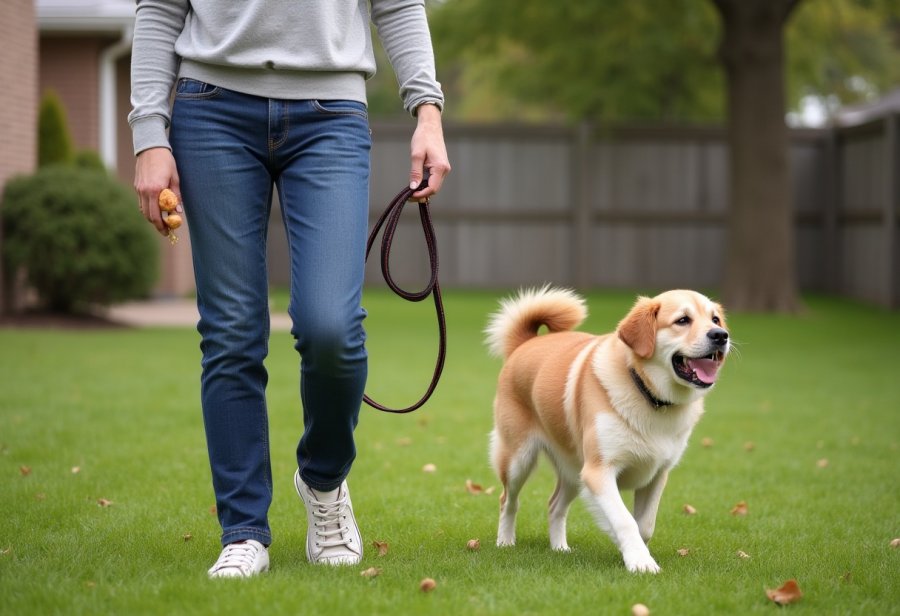
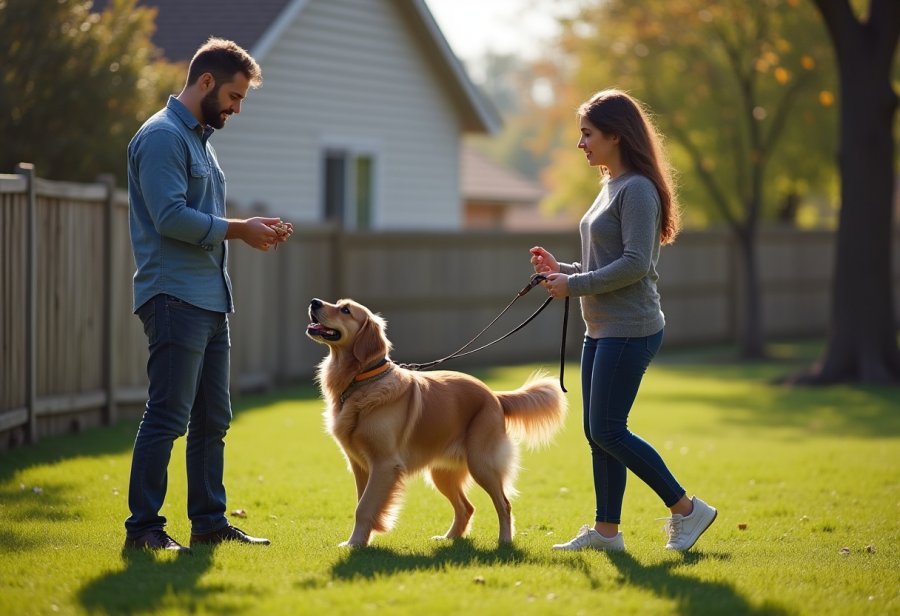
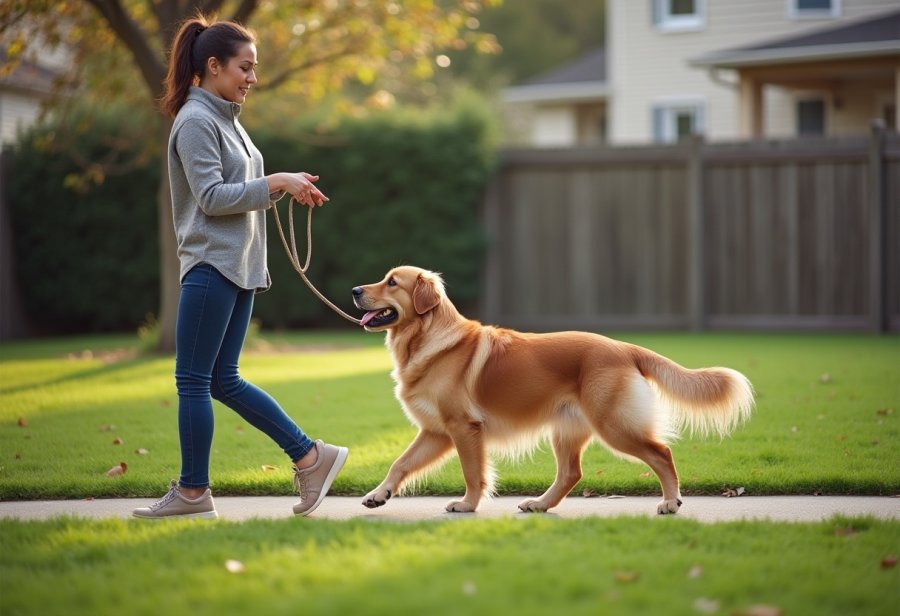
Implementing calm walking techniques into your daily routine starts with establishing a consistent, relaxed approach. Begin each walk in a quiet environment, such as your yard or a peaceful neighborhood street, to help your dog focus on basic commands without overwhelming distractions. Use calm, clear cues like “heel” or “easy,” and immediately reward your dog when they respond calmly. Short, focused sessions are more effective than long, sporadic walks, so aim for frequent, manageable training moments.
Maintain a slow, steady pace during walks. Avoid rushing or pulling ahead; instead, stay attentive and relaxed yourself. If your dog pulls or becomes distracted, gently pause and regain their focus with treats or a calm correction. Consistently reinforce commands like “heel” or “stay,” so your dog understands what’s expected and gains confidence in staying calm beside you.
Reward calm behavior immediately. When your dog walks at your side without pulling or lagging, praise them or offer treats to reinforce that relaxed state. Incorporate brief pauses throughout the walk, encouraging your dog to settle and focus before moving on. These pauses teach patience and self-control, especially in environments with more distractions.
Every outing is an opportunity to strengthen trust. Keep your tone gentle and movements smooth. If your dog becomes overly excited or distracted, take a step back—pause, give a calming command, and reward calmness before proceeding. This helps your dog associate staying relaxed with positive outcomes and builds resilience.
Patience remains essential, as dogs learn at different speeds. Consistently applying these techniques, even during casual walks, gradually develops better leash manners and emotional stability. Over time, calm walking becomes second nature, transforming daily outings into peaceful bonding moments rather than stressful routines.
Maintain steady routines, using the same commands and rewards each time. This consistency helps your dog recognize what’s expected, making training more effective. With regular practice, calm walking shifts from a goal to an effortless part of your shared life, enriching your bond and fostering a sense of trust and harmony.
Remember, your own calmness influences your dog’s behavior. Stay relaxed, confident, and patient. Your attitude sets the tone for the walk, encouraging your dog to mirror that tranquility. By integrating these straightforward strategies into your daily walks, you create a foundation for peaceful, meaningful experiences that strengthen your relationship and promote your dog’s emotional well-being.
Budget-Friendly Tips for Successful Dog Walking Training
Training a dog to walk calmly doesn’t have to be a costly endeavor, but understanding the expenses involved helps you plan effectively. Basic equipment like a well-fitting harness, a sturdy leash, and treats are affordable essentials that lay the foundation for your training. These items typically cost less than $50, making them accessible for most pet owners. If you choose to hire a professional trainer or behaviorist, costs can range from $50 to $150 per session, providing personalized guidance that can accelerate progress and ensure correct technique from the start.
Beyond initial gear, recurring expenses include treats, clickers, calming aids, or interactive toys, all of which support your training efforts. While these add up over time, they remain manageable with a simple budget. Group classes or workshops, often priced between $100 and $300 for a series, offer valuable hands-on advice and community support that can boost your motivation and consistency. Investing in quality tools and professional help often shortens the learning curve, saving you money in the long run by reducing setbacks.
Community resources also play a role in keeping costs down. Many shelters, humane societies, and pet organizations offer low-cost or free training programs, making professional guidance accessible without breaking the bank. Remember, your time and effort are the most valuable investments—consistent practice and patience are what truly shape your dog’s behavior and reinforce training.
Planning your budget around these factors ensures your training remains sustainable and stress-free. You don’t need the most expensive gadgets or top-tier trainers to see results; steady routines, positive reinforcement, and patience make all the difference. By balancing affordability with commitment, you create a supportive environment for developing calm, confident walking habits that will benefit both you and your dog for years to come.
Step-by-Step Planning to Achieve Calm, Confident Walks
Creating a calm walking training plan starts with clear, achievable goals tailored to your dog’s current behavior and your ideal outcome. Begin in a quiet, controlled environment such as your yard or a peaceful neighborhood street. This minimizes distractions and helps your dog focus on mastering basic commands like “heel” or “easy.” Keep training sessions short and frequent, emphasizing quality over quantity, so your dog stays engaged without becoming overwhelmed.
Establishing a consistent routine is key. Walk at the same time each day and stick to familiar routes to build predictability. Use calm, steady commands and reward your dog immediately for responding calmly. Incorporate short pauses during walks—these teach patience and help your dog learn to settle and refocus before moving forward. As your dog improves, gradually introduce mild distractions like passing cars or other walkers, always reinforcing calm behavior with treats or praise.
Be adaptable and attentive to your dog’s cues. If they show signs of overstimulation or frustration, reduce the walk’s length or choose a quieter setting to help them reset. When setbacks happen, pause, repeat calming cues, and reward your dog for regaining composure. Consistency and patience are vital—progress may be slow at first, but steady effort builds confidence and trust over time.
Track your dog’s progress to stay motivated and identify areas needing extra attention. Celebrate small victories, like walking without pulling or staying focused in busier environments. Over time, these small steps lead to a natural, relaxed walking style that feels effortless and enjoyable. Integrating these steps into your daily routine transforms training into a bonding experience, strengthening your connection and creating a peaceful foundation for future walks.
Overcoming Challenges and Navigating Obstacles in Training
Training a dog to walk calmly isn’t without its hurdles, but knowing how to anticipate and address common obstacles can keep your progress on track. Distractions like other dogs, busy streets, or enticing scents often pull your dog’s focus away and lead to pulling or lunging. To counter this, gradually introduce these triggers in controlled environments, helping your dog build confidence and stay focused. Recognizing signs of overwhelm early allows you to step back and reset before frustration sets in, preventing setbacks.
Anxiety or nervousness about new settings can cause reactive behaviors or resistance. When your dog shows signs of stress, switching to a quieter area or shortening the walk can help them reset and regain composure. Using positive reinforcement during these moments encourages calmness, making stressful situations more manageable over time. Sometimes, high energy levels or stubbornness require breaking training into shorter, more frequent sessions to prevent frustration and build consistency.
Inconsistency is another common challenge. Mixed signals or varying routines can confuse your dog and slow progress. Keep commands simple and your expectations clear, reinforcing good behavior consistently. When setbacks happen, avoid frustration—review your techniques, revisit basics, and stay patient. Progress isn’t always linear, but maintaining steady effort and a positive attitude helps your dog learn faster.
Seeking support from trainers or online communities can provide fresh insights and motivation when facing persistent issues. Expert advice tailored to your dog’s specific needs can address stubborn problems more effectively, while peer encouragement keeps you committed. Remember, setbacks are part of the process; resilience and adaptability turn challenges into opportunities for growth.
Preparing your dog for real-world distractions involves a gradual, step-by-step approach. Start in quiet settings, then slowly introduce more stimulating environments, rewarding calm, focused behavior at each stage. Your own calm demeanor influences your dog’s response—staying relaxed under pressure encourages them to do the same. With patience and consistency, you can navigate obstacles and keep your training journey moving forward.
By staying mindful of these potential pitfalls and implementing practical mitigation strategies, you ensure your efforts lead to lasting change. Overcoming challenges with patience and persistence transforms difficult moments into valuable learning experiences. This resilience not only keeps your training on course but also deepens the trust and bond you share with your dog.