Underground street racing is more than a reckless pursuit of speed—it’s a high-stakes culture forged on loyalty, trust, and unbreakable brotherhood. Beneath neon-lit nights and roaring engines, racers form tight-knit crews that operate on unwritten rules, shared rituals, and mutual sacrifices. Cars are symbols of identity, customized to showcase allegiance and pride, turning individual efforts into collective stories of resilience. This scene fosters genuine bonds that surpass mere adrenaline, creating a community rooted in respect, safety, and tradition amidst societal crackdowns and legal risks. Despite dangers and opposition, the essence of underground racing endures—driven by a passion for speed and a loyalty that binds racers closer than family. How do these clandestine alliances thrive in the shadows, and what keeps this fiery brotherhood alive in a world increasingly hostile to their rebellion?
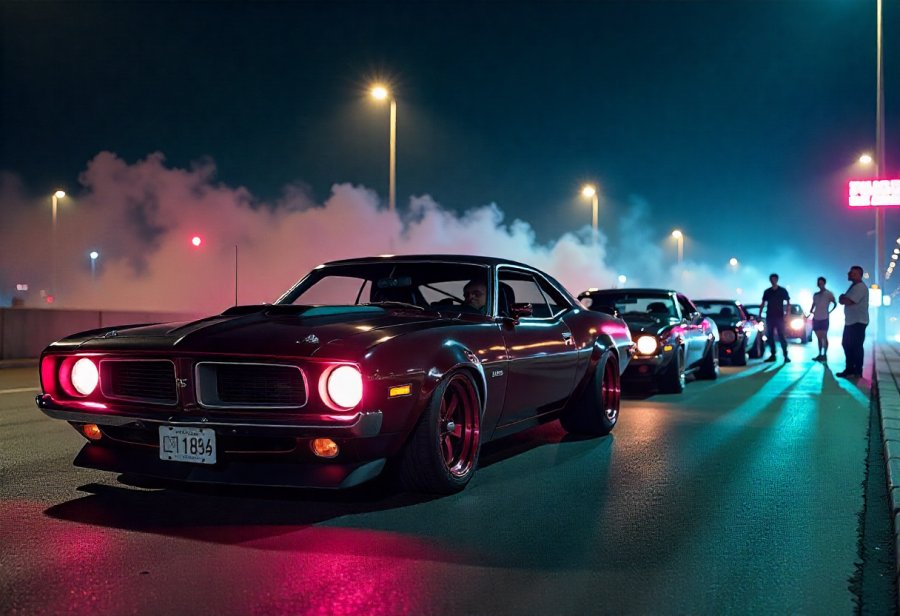
Uncover the Deep Culture of Underground Street Racing and Brotherhood
Underground street racing isn’t just about hitting top speeds; it’s a culture rooted in loyalty, passion, and a sense of brotherhood that runs deep. These racers gather in the shadows of city streets, where adrenaline and camaraderie intertwine in every race. Modifying cars becomes more than a technical hobby—it’s a way to express identity and allegiance to a crew. Trust and unspoken rules keep this community close-knit, forged through countless nights of racing, tuning, and shared victories or setbacks.
Despite its illegal status, the scene is driven by genuine relationships built on mutual respect. Many participants see their crew as a second family, supporting each other through risks and challenges. It’s in these moments—late-night drives, quick car fixes, and shared adrenaline—that bonds are formed that go beyond the asphalt. This sense of belonging fuels the passion that keeps underground racing alive and thriving.
Understanding this culture reveals a world where speed and kinship collide. Loyalty becomes more than a word—it’s the foundation of a high-octane brotherhood that endures across generations.
Tracing the Roots and Hidden Structure of Urban Street Racing
Street racing didn’t just suddenly pop up out of nowhere; its roots are deeply embedded in urban environments where open roads and sparse traffic create ideal conditions for high-speed challenges. Early racers sought to push their cars beyond legal limits, driven by adrenaline, pride, and a desire for recognition. Over time, these spontaneous sprints transformed into organized networks, with crews and organizers working covertly to stay under law enforcement radar. Trust became essential, as members depended on each other for safety, strategic planning, and support during risky races. The structure remains informal but tightly knit, often based on experience, skill, and loyalty. Racers gather in discreet locations like abandoned lots or quiet backstreets, always alert to avoid detection. Despite its illegality, this organization fosters a sense of belonging rooted in shared passion and mutual respect. These crews turn individual efforts into collective identities, keeping the scene alive through camaraderie and trust that goes beyond just racing. It’s a community built on connection, risk, and resilience.
Current Perspectives: The Clash of Passion and Safety in Underground Racing
Today, opinions on underground street racing are more divided than ever. Law enforcement cracks down hard, citing safety concerns and the chaos these illegal races can unleash on city streets. High-speed crashes, injuries, and even fatalities remind everyone of the risks involved, painting the scene as reckless and dangerous. Many see street racing as a public nuisance, disrupting order and attracting fines, arrests, or vehicle seizures.
Yet, for many enthusiasts and younger drivers, it’s more than just illegal activity. They view racing as a form of rebellion, self-expression, and brotherhood outside mainstream norms. The skill, creativity, and camaraderie involved are what make the scene compelling. Media portrayals often walk a fine line — glamorizing the culture in movies and social media, while warning of its dangers at the same time.
Globally, attitudes vary. In Tokyo, drifting is celebrated as an art form, while European scenes admire car modifications despite legal restrictions. Southern California remains a hub of rebellion and community pride.
Despite the risks and crackdowns, the core allure persists—speed, loyalty, and defying rules. This ongoing debate highlights a clash between safety and passion, with the scene continuously evolving yet rooted in unbreakable brotherhood.
Getting Involved Responsibly: A Guide to Safe Racing Practices
Getting involved in racing culture responsibly starts with education. Joining local car clubs or online forums focused on legal modifications and safe driving offers a solid foundation. These communities often host workshops and sanctioned events that teach proper vehicle tuning, safety practices, and driving techniques, providing a safe environment to learn and grow. Learning from experienced members helps build skills while emphasizing the importance of safety and respect for others.
Using quality gear, following best practices, and understanding vehicle limits are essential steps to stay safe both on and off the street. Sharing knowledge through mentorship or online exchanges encourages a responsible culture that benefits everyone involved. Respecting the rules isn’t just about legality; it’s about protecting yourself, your crew, and the community at large. Progressing gradually and responsibly ensures your passion remains sustainable and enjoyable, avoiding unnecessary risks that could endanger lives or damage trust.
Prioritizing safety and legality doesn’t diminish the thrill—it enhances the experience by fostering genuine camaraderie rooted in respect. Responsible engagement keeps the scene alive, attracting new enthusiasts committed to honoring its traditions. In the end, responsible participation sustains the bond of brotherhood, proving that speed and loyalty go hand in hand with accountability.
The Enduring Spirit of Loyalty and Brotherhood in Underground Racing
Underground street racing is more than just a pursuit of speed; it embodies a culture built on loyalty, trust, and shared passion. The bonds formed through late-night races, car tuning sessions, and mutual support create a brotherhood that often feels stronger than family ties. These relationships are rooted in unspoken rules, respect, and a collective understanding that extends beyond the asphalt.
Despite the ongoing crackdowns and societal judgment, the core values of this community remain resilient. Many racers see their scene as a space for self-expression and identity, where cars become symbols of belonging and pride. The act of customizing vehicles isn’t just about aesthetics—it’s a declaration of loyalty to their crew and a badge of collective achievement.
This culture’s strength lies in its ability to adapt while holding onto traditions of brotherhood. The scene’s vitality depends on the unbreakable ties of trust and shared experience that forge lifelong connections. Even as authorities tighten restrictions, the spirit of loyalty continues to drive underground racing forward, proving that its true power is rooted in the bonds that speed cannot break.
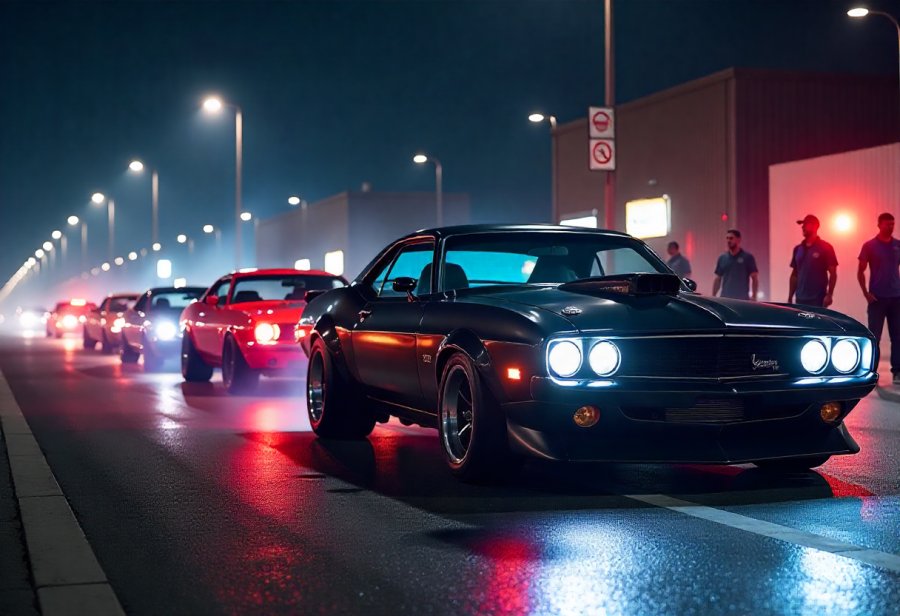
The Foundation of Trust: Building Kinship Through Night Races and Shared Experiences
Underground racing brotherhood is the backbone of this scene, built on trust and shared experiences that go beyond just racing fast. Drivers and crews depend on each other to keep secrets, share vital information, and stay safe amid the chaos of night races. These bonds develop through late-night drives, car tune-ups, and fierce competitions that transform individual efforts into a collective identity. Loyalty isn’t just about showing up; it’s about standing by each other when things go wrong or celebrating victories together. The unspoken rules and rituals create a code that keeps everyone aligned, even in dangerous situations. This sense of kinship turns a group of racers into a family where mutual respect and sacrifice form the foundation of their connection. Night racing isn’t merely about adrenaline; it’s a ritual that deepens these relationships, forging lifelong bonds rooted in trust and shared passion. It’s this brotherhood that sustains the scene, proving that loyalty and connection are the true power behind underground racing.
Camaraderie Forged in Metal and Passion: The Role of Car Culture in Fostering Trust
In underground street racing, the passion for modifying cars goes beyond just making them faster; it’s a key part of building trust and camaraderie among racers. When enthusiasts gather to work on their vehicles—tuning engines, customizing body kits, or selecting the perfect paint—the process transforms into a shared experience that deepens bonds. Collaboration in these moments fosters mutual respect, as each member’s input is valued and contributes to collective pride.
As racers exchange tips, resources, and praise for each other’s craftsmanship, friendships naturally grow. A well-tuned car becomes more than just a machine—it’s a symbol of loyalty and trust within the crew. These shared efforts forge a sense of belonging, turning individual projects into stories that unite everyone.
This passion for cars acts as a universal language of loyalty. The act of personalizing and caring for rides creates a bond that extends beyond the street, embedding a sense of community rooted in dedication and respect. Each modification reflects a shared commitment, reinforcing the idea that speed is fueled by trust.
Through these collective endeavors, trust and camaraderie flourish, transforming a group of racers into a genuine family. It’s this connection that keeps the scene vibrant and resilient, proving that in underground racing, loyalty is as vital as velocity.
High-Speed Loyalty: How Adrenaline Bonds Racers in a Fierce Brotherhood
The bond among underground street racers runs deeper than the thrill of the race itself; it’s forged in the rush of adrenaline and shared danger. Every engine roar and tire squeal in the dead of night cements a sense of brotherhood that’s hard to match. These moments of chaos become rituals—trust is tested and loyalty is proven as racers depend on each other for warnings, support, and survival. The adrenaline surge transforms fleeting seconds into lifelong connections, creating a high-octane camaraderie that can’t be broken. Drivers rely on one another not just for speed, but for safety and solidarity in a risky game. Each race, each close call, intensifies the feeling of belonging, making the scene feel like an extended family. This fierce loyalty fuels resilience, turning fleeting moments of high-speed chaos into enduring bonds. It’s in these adrenaline-fueled experiences that true brotherhood is born—built on trust, sacrifice, and a shared love for speed that unites them beyond the asphalt.
Urban Kinship: Loyalty and Support in City-Based Racing Crews
In city-based racing scenes, a strong sense of kinship quickly forms among members. These crews often come together through late-night drives, shared maintenance sessions, and high-stakes races that go beyond just speed. Loyalty isn’t a superficial word here; it’s the backbone of their bond, built on trust, mutual respect, and shared experiences that deepen over time. Members rely on each other for safety, advice, and support, knowing that backing one another up is what keeps the entire crew strong.
This environment fosters a protective space where warning about police, fixing a broken ride, or standing by a teammate in tough times becomes second nature. These moments create a connection rooted in shared purpose and understanding, transforming a group of racers into a genuine family. The loyalty cultivated through these bonds isn’t fleeting—it’s something that endures, even amid legal threats and societal judgment. This kinship becomes the secret engine behind the scene’s resilience, fueling a community driven not just by speed but by loyalty that withstands the test of time.
Symbols of Identity: How Custom Cars Reflect Loyalty and Community
In underground racing, cars are more than just machines—they’re symbols of loyalty and identity. Enthusiasts pour time, money, and creativity into customizing their rides, turning them into moving expressions of personal style and crew allegiance. Bold paint jobs, distinctive decals, and performance upgrades serve as visual badges that showcase dedication and belonging. These modifications often reflect shared values, creating a language understood only within the community.
A car’s appearance signals which crew or street family a driver aligns with, forging a sense of unity through visual cues. Signature colors or unique parts become markers of trust and pride, reinforcing bonds that go beyond words. Personalizing a vehicle isn’t just about aesthetics; it’s a ritual of loyalty, a declaration that “I stand with my crew.” Each custom detail tells a story of craftsmanship, sacrifice, and collective effort.
Beyond the visual, these vehicles embody the community’s resilience and creative spirit. They serve as badges of honor, symbols of shared effort that extend the connection between racer and crew. In a scene driven by speed and risk, cars become tangible representations of loyalty—moving testaments to the bonds forged on asphalt.
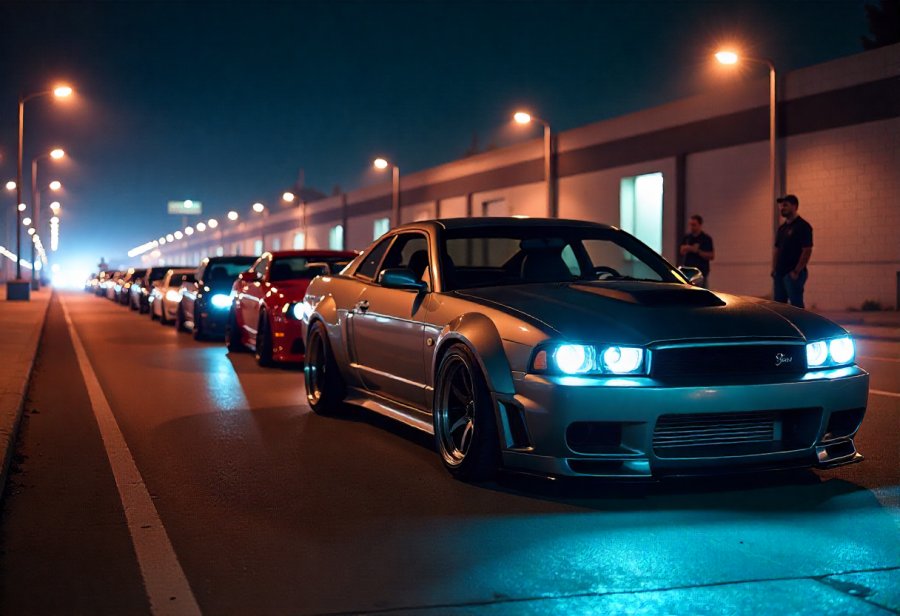
Secrets and Rituals: The Unspoken Rules that Bind Underground Racing Families
Underground racing families operate on a set of unspoken rules and traditions that go far beyond just racing fast. Trust forms the foundation—drivers and crew depend on each other to keep secrets, share vital information, and look out for one another’s safety. These bonds grow stronger through routine rituals like pre-race checks, late-night drives, and celebrating victories or supporting each other during setbacks. Since these customs aren’t written down, they’re passed through experience and shared understanding, creating a code of conduct everyone respects. Respect for hierarchy is crucial, often earned through skill, loyalty, or years of dedication. When a crew member faces trouble—whether legal issues or accidents—the entire group rallies around them, emphasizing that loyalty isn’t just shown in races but in standing by each other through tough times. These traditions weave a fabric of kinship, transforming a group of racers into a true family. It’s this shared history and mutual commitment that keep the scene resilient, even as authorities crack down. In this world, secrets and loyalty are what truly strengthen the bonds that define the racing family.