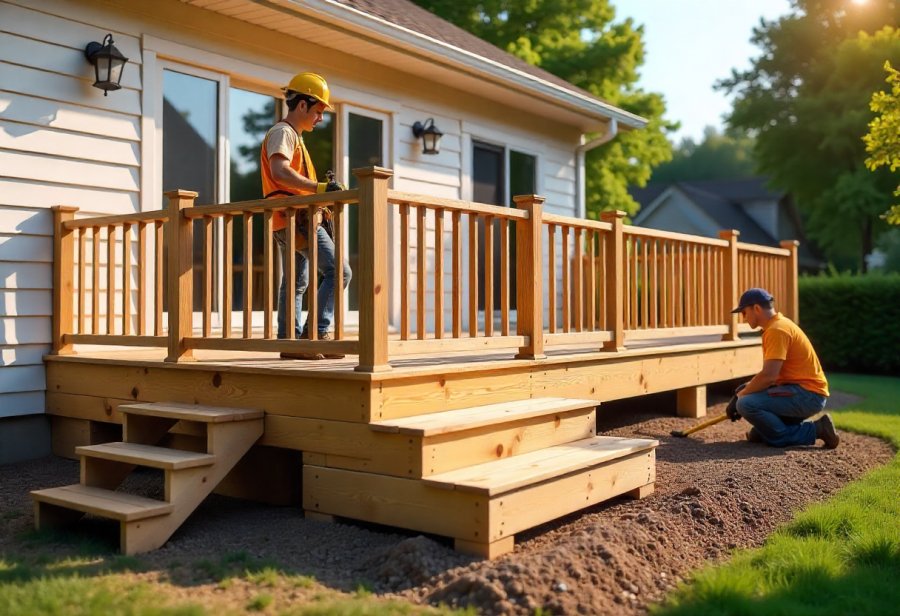
Urban flooding is escalating as climate change intensifies storms and cities expand with impermeable surfaces. Permeable pavers emerge as a sustainable solution, allowing rainwater to naturally seep into the ground, reducing runoff and easing pressure on stormwater systems. These eco-friendly surfaces not only prevent pooling and flooding but also filter pollutants, recharge groundwater, and enhance urban aesthetics. Real-world examples from Portland to Melbourne demonstrate their effectiveness, transforming flood-prone areas into vibrant, resilient spaces. However, successful implementation requires careful planning, proper material selection, and ongoing maintenance to prevent clogging and ensure longevity. As cities seek smarter, greener infrastructure, permeable pavers—integrated with other green solutions—offer a promising way forward. Could embracing this innovative technology redefine urban resilience? The future of flood mitigation may well depend on turning concrete barriers into natural, water-absorbing landscapes—balancing human development with environmental health.
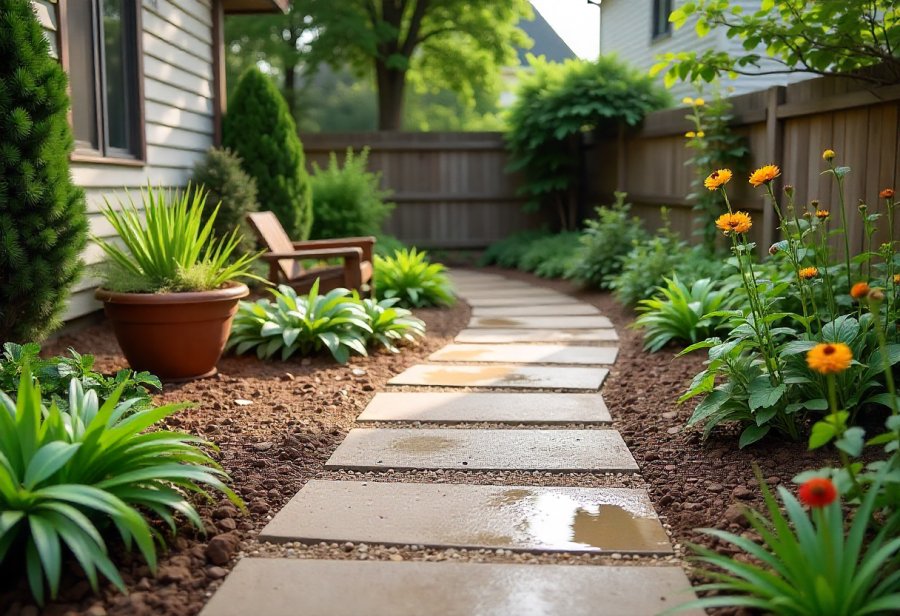
Transforming Urban Flood Management with Permeable Pavers
Urban flooding has become an increasingly urgent challenge for cities around the world. Heavy rains combined with sprawling development and widespread use of impermeable surfaces like concrete and asphalt mean stormwater has nowhere to go. Instead of soaking into the ground, rainwater pools on streets, overwhelms drainage systems, and causes property damage and traffic disruptions. As climate change brings more intense storms and unpredictable weather, these problems are only getting worse.
Traditional paving materials, while durable and cost-effective, contribute heavily to this issue. Asphalt and concrete act as barriers, blocking water from naturally infiltrating the soil. This leads to increased surface runoff, which not only causes flooding but also erodes foundations and creates hazardous conditions for pedestrians and vehicles. Cities are realizing that relying solely on conventional drainage infrastructure isn’t enough to address these mounting challenges.
That’s where permeable pavers come into play. These innovative surfaces are designed to mimic natural water absorption, allowing rainwater to pass through porous materials and seep into the ground below. By promoting water infiltration, permeable pavers reduce pooling on streets and help manage heavy rainfall more effectively. They also support groundwater recharge, helping to replenish underground water sources that are often stressed by urban development.
Beyond flood control, permeable pavers improve water quality by trapping pollutants like sediments, oils, and chemicals as water passes through. This natural filtration prevents contaminants from reaching rivers, lakes, and groundwater, leading to cleaner, healthier water bodies. Installing these systems aligns with growing regulatory demands for sustainable stormwater management, offering cities a practical, eco-friendly solution.
Materials such as gravel, permeable concrete, and interlocking pavers are specifically chosen for their ability to support water flow while maintaining durability under traffic and weather conditions. Their layered construction ensures stability and longevity, even in challenging environments. As cities seek ways to adapt to climate realities, integrating permeable pavers into urban design becomes a proactive step toward reducing flood risks and fostering environmental resilience.
Shifting toward permeable paving helps transform flood-prone spaces into functional, green environments. These surfaces not only prevent water pooling but also contribute to healthier ecosystems and improved aesthetic appeal. Embracing this technology offers cities a sustainable way to manage water more effectively, creating safer, more resilient communities ready to face future challenges.
Foundations of Permeable Pavements: Natural Water Sponges and Their Benefits
Permeable pavements act much like natural sponges, allowing rainwater to pass through their surfaces and infiltrate the ground below. This core feature significantly reduces surface runoff, which is a leading cause of urban flooding. When water is able to soak into the soil instead of pooling on streets, it alleviates pressure on stormwater systems and helps restore the natural water cycle. This process not only prevents flooding but also promotes groundwater recharge, which is essential for maintaining healthy water sources in cities.
The advantages of permeable paving extend well beyond flood mitigation. As water filters through the porous materials, it naturally traps sediments, oils, and chemicals, leading to a notable improvement in water quality. This natural filtration process reduces pollutants reaching rivers and lakes, making urban waters cleaner and healthier. Additionally, supporting groundwater recharge helps sustain aquifers that often face stress from overuse and contamination caused by urban development.
Traditional paving materials like asphalt and concrete are known for their durability and cost-effectiveness but lack permeability. These materials act as barriers, blocking water from penetrating the ground and causing excess runoff during storms. This increased runoff can erode foundations, damage infrastructure, and create hazardous conditions. In contrast, permeable pavers—crafted from gravel, porous concrete, or interlocking blocks with open joints—are designed specifically to allow water to flow through, mimicking natural absorption.
Over recent decades, urban planners and engineers have increasingly recognized the value of sustainable solutions that better manage stormwater. Permeable paving has gained popularity as a practical alternative, combining functionality with environmental benefits. Its layered construction typically includes a supportive base that ensures stability and facilitates water infiltration, topped with a durable but porous surface. This design guarantees longevity while maintaining permeability under traffic loads.
Beyond environmental gains, permeable paving helps cities meet stricter stormwater regulations. Its capacity to reduce runoff and improve water quality makes it a key component of green infrastructure. These systems are versatile and can be incorporated into various urban settings—from sidewalks and driveways to parking lots—making them adaptable tools for sustainable development. Proper material selection and careful installation are vital to ensure these surfaces perform effectively over time.
For further reading, see Hughie Taylor‘s article Transforming Cities with Sustainable Permeable Pavers to Prevent Flooding hosted on Dahlia Dark Sorcery.
In essence, permeable pavements offer a reliable, eco-friendly solution to urban water management challenges. When integrated thoughtfully into city landscapes, they transform flood-prone areas into resilient, green spaces that support healthier ecosystems and more livable communities. This innovative approach paves the way for smarter, more sustainable urban environments capable of facing the increasing impacts of climate change.
Permeable Pavers in Action: Success Stories and Data-Driven Solutions
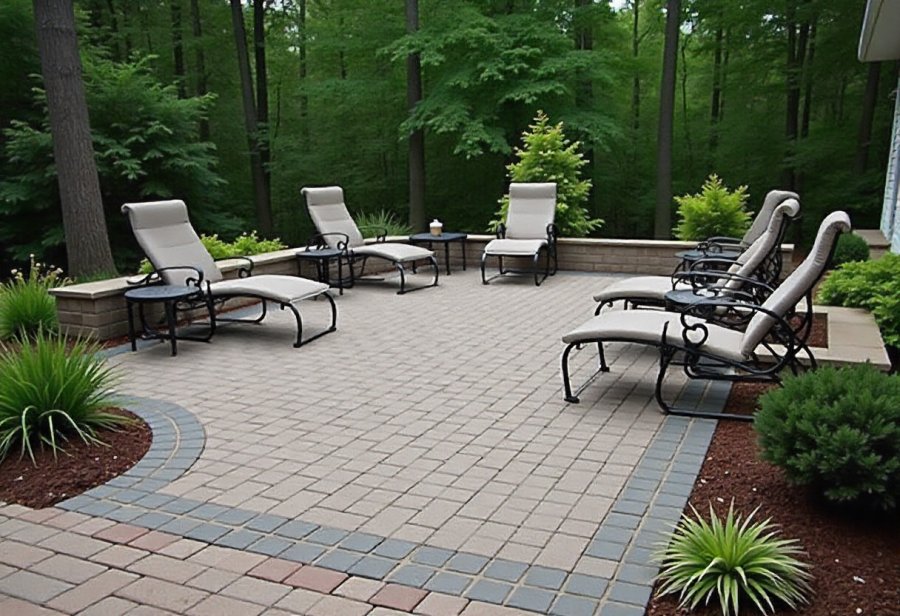
Real-world examples highlight just how effective permeable pavers can be in tackling urban flooding. In Portland, Oregon, a busy downtown plaza replaced traditional asphalt with permeable interlocking pavers. During heavy rains, instead of water pooling or flooding the area, the surface drained efficiently, allowing rainwater to seep into the ground and replenish local groundwater sources. This transformation turned a flood-prone space into a vibrant, usable public area, demonstrating that permeable surfaces can deliver both practical flood control and aesthetic appeal.
Similarly, in Melbourne’s residential neighborhoods, streets that previously experienced frequent water pooling now drain quickly after installing permeable pavements. These projects have significantly reduced surface runoff and eased pressure on stormwater systems. Studies from these sites show runoff volumes can decrease by up to 80%, preventing infrastructure damage and reducing flood risks. Such examples prove that permeable pavers aren’t just eco-friendly ideas—they’re proven solutions that cities are actively adopting to manage water more effectively.
Cities across different regions are customizing permeable paving solutions to meet their unique flooding challenges. In California, permeable surfaces help manage stormwater during wildfires and heavy rains, reducing erosion and runoff. These adaptable projects show permeable pavers can fit diverse climates and urban layouts, making them a versatile tool for sustainable development. The success stories are backed by data; the EPA reports that cities using permeable systems see significant drops in surface water pooling, with some projects removing up to 90% of pollutants before water reaches groundwater.
The installation process itself underscores the practicality of permeable pavers. In Portland’s downtown, careful layering and site prep—like proper compaction of the base—allowed the system to perform optimally during intense storms. Routine maintenance, such as debris removal, keeps pores clear and maintains permeability. These efforts ensure the system continues to deliver flood mitigation and water quality benefits for years. When installed correctly and maintained proactively, permeable pavers stand out as reliable, long-term solutions.
A related discussion appears in Transforming Urban Flood Prevention with Permeable Paver Innovations, written by Quincy Garcia for Madison County Friends.
Challenges do exist. Clogging from leaves, dirt, or sediments can reduce permeability, especially if not cleaned regularly. Heavy traffic or cold weather can accelerate wear or cause blockages, requiring ongoing upkeep. However, with appropriate design choices, routine cleaning, and strategic planning, these issues are manageable. Proper material selection and proactive maintenance turn potential obstacles into opportunities for system longevity and performance.
Overall, these real-world projects confirm permeable pavers are a practical, effective tool in urban flood management. They transform flood-prone spaces into resilient, green environments that better handle heavy rains. Cities worldwide recognize that investing in permeable paving not only reduces damage costs but also enhances urban living conditions, making these surfaces a key part of smarter, more sustainable infrastructure.
By integrating permeable pavers into urban planning, municipalities can create more adaptable and flood-resistant communities. These surfaces turn a common challenge into an opportunity for greener, healthier neighborhoods. As evidence continues to grow, permeable paving stands out as a proven, versatile solution—one that helps cities stay ahead of climate challenges while improving quality of life for residents.
Implementing Permeable Pavers in Urban Areas: Practical Strategies and Maintenance
Implementing permeable pavers in urban areas requires careful planning and precise execution to ensure they perform as intended over time. The process begins with a thorough site assessment—evaluating soil conditions, drainage capacity, and expected traffic loads helps determine the most suitable permeable system. This initial step is crucial to prevent issues like clogging or structural failure, laying a strong foundation for long-term success.
Designing the layout is equally important. A layered approach typically includes a supportive base that provides stability and promotes water infiltration, topped with a porous surface layer capable of handling traffic and weather conditions. Proper design ensures water flows freely through the system, avoiding sealed surfaces that could hinder permeability. Using visual tools like CAD or GIS can help optimize placement before breaking ground, reducing surprises during installation.
For additional context, read Quin Wade‘s article Transforming Urban Flood Management with Permeable Pavers on Kaslo Crier.
During installation, attention to detail makes all the difference. The base must be well-compacted to prevent settling, which could compromise permeability. It’s essential to avoid sealing techniques that block water flow and to keep the surface free of debris during placement. Laying pavers evenly with joints open enough to facilitate water movement ensures the system’s effectiveness from the start. This careful approach extends the lifespan of the pavers and maintains their flood mitigation capabilities.
Coordination among urban planners, engineers, contractors, and property owners streamlines the project. Clear communication about goals, design specs, and maintenance routines helps prevent misunderstandings and ensures everyone is aligned. Integrating permeable pavers into existing infrastructure—whether in parking lots, sidewalks, or plazas—requires thoughtful adaptation to preserve durability and function without disrupting traffic or aesthetics.
Post-installation maintenance is key to sustaining performance. Regular cleaning—such as sweeping or vacuuming—keeps pores clear of leaves, dirt, and sediments that could clog the system. In high-traffic or debris-prone areas, scheduled inspections and cleaning are vital. Proper upkeep prevents clogging, preserves permeability, and ensures the system continues to deliver flood resistance and water quality benefits over the years.
Addressing potential challenges proactively can save time and costs down the line. Selecting materials suited to local conditions, designing for freeze-thaw cycles, and planning for repairs help extend system life. When clogging or wear occurs, targeted cleaning restores permeability without costly repairs. Combining meticulous planning with ongoing care makes permeable pavers a reliable, low-maintenance solution for urban flood management.
By following these practical steps, cities turn flood-prone areas into resilient, water-friendly spaces. Thoughtful implementation transforms challenges into opportunities, creating greener, safer neighborhoods. When designed and maintained properly, permeable pavers seamlessly integrate into urban landscapes, offering a sustainable way to adapt to climate change and improve community resilience.
Looking Forward: The Future of Permeable Pavers in Sustainable Urban Planning
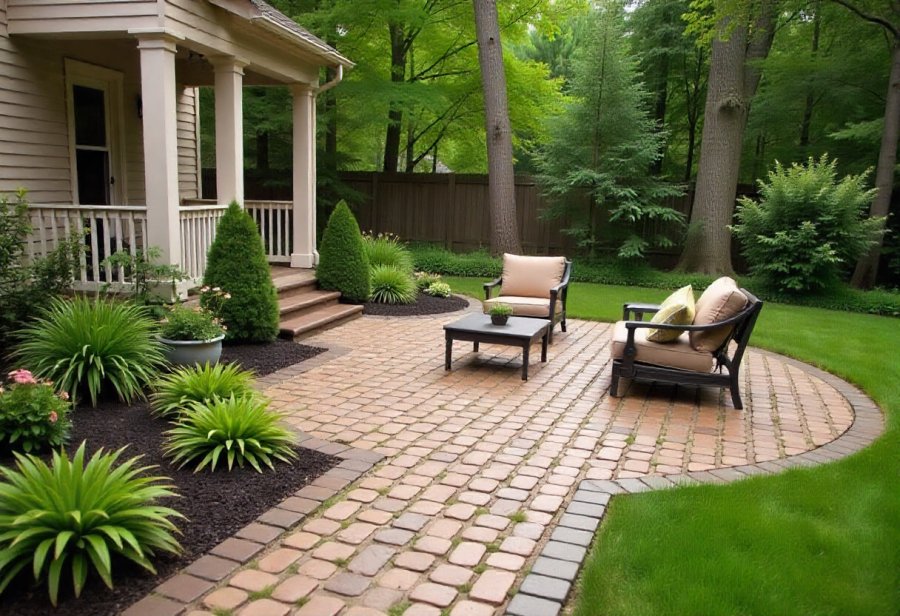
As urban areas continue to expand and climate change intensifies weather patterns, the need for sustainable water management solutions has never been clearer. Permeable pavers stand out as a practical and effective tool in addressing these challenges. Their ability to significantly reduce runoff—by capturing and allowing rainwater to naturally infiltrate the ground—helps cities combat flooding while supporting groundwater recharge and improving water quality. The success of numerous projects worldwide demonstrates that permeable paving isn’t just an eco-friendly trend but a vital component of resilient urban infrastructure.
Looking ahead, advances in materials and innovative design are set to make permeable pavers even more accessible and reliable. Researchers are developing new porous materials that combine durability with faster water flow, reducing maintenance needs and extending lifespan. Embedding sensors within these surfaces could soon enable real-time monitoring of clogging and water movement, allowing for proactive upkeep and ensuring consistent performance. Such technological improvements will make permeable paving systems more adaptable to diverse climates and urban settings, broadening their adoption.
Urban planning is shifting toward greener, more adaptive solutions, and permeable pavers align perfectly with this trend. They offer a versatile way to retrofit existing infrastructure or incorporate into new developments without major disruption. As policies favor low-impact development and green infrastructure, the adoption of permeable surfaces is likely to accelerate. Cities that embrace these systems now will be better prepared for future storms, reducing damages and costs while enhancing community safety and quality of life.
Integrating permeable pavers with other green infrastructure measures—such as rain gardens, green roofs, and bioswales—creates a comprehensive approach to urban water management. This synergy enhances absorption, filtration, and reuse of stormwater, transforming flood-prone areas into vibrant, resilient landscapes. As public awareness grows and communities recognize the long-term benefits, investments in permeable paving will become a standard part of sustainable urban design, fostering healthier ecosystems and more livable neighborhoods.
While challenges like initial costs and ongoing maintenance exist, they are outweighed by the substantial benefits of flood reduction, water quality improvement, and urban resilience. Proper planning, innovative materials, and proactive maintenance turn permeable pavers into a dependable, long-term solution. As cities continue to grapple with climate uncertainties, permeable paving offers a forward-looking strategy—one that not only safeguards communities but also paves the way toward smarter, greener, and more adaptable urban environments for generations to come.